
Starting My Health Journey with Fluid Health | Integrative Health in Halifax
At 41, I never imagined I’d be nearly bone-on-bone in my knee, living with chronic pain and navigating perimenopause, the impact of infertility and a sub-septate uterus in the Canadian health care system in search of real answers. That’s what led me to Fluid Health, an integrative health clinic in Halifax that takes a different approach — and this blog series will document the journey.
My Backstory: ACL Surgery, Knee Pain, and Living with Chronic Pain in Halifax
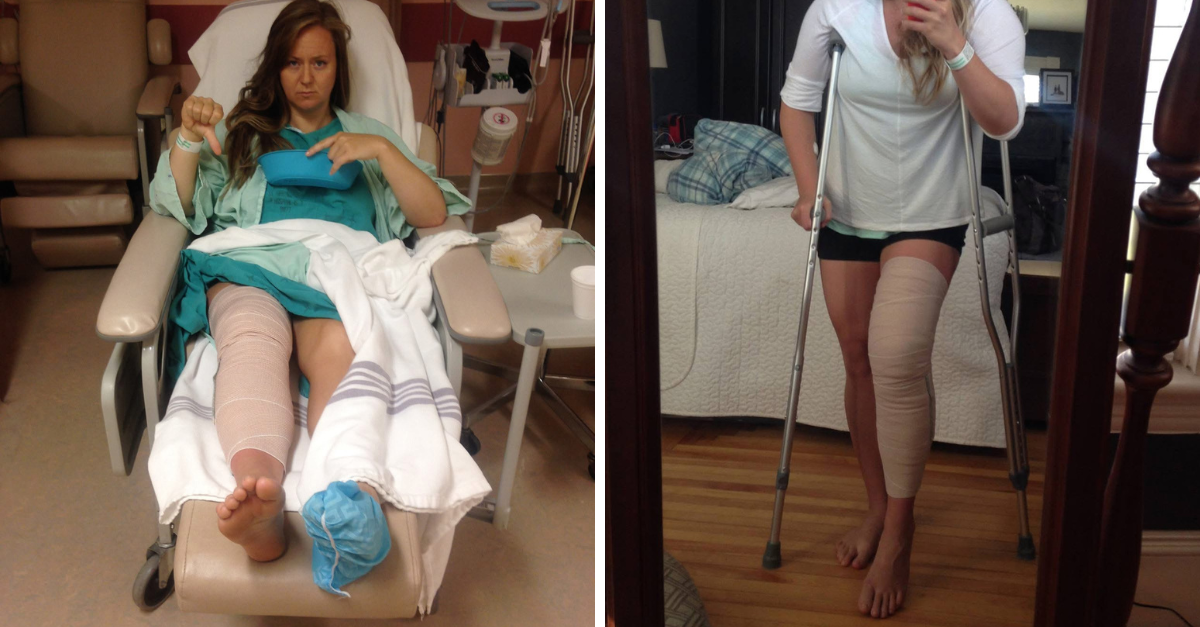
You know that feeling when you’ve been living with pain so long that it becomes background noise? That’s been me for the last decade. Every single decision runs through a filter: Can my knee/back handle this? Can I sit there, climb that, walk here without something locking or seizing up? Bone on bone at 41? Cute. But also exhausting.
Ten years ago, I had a full ACL reconstruction. Since then, I’ve developed osteoarthritis in that knee — nearly bone on bone at 41. That means no running, no jumping, and only shallow squats. Over the last 18 months, I’ve also dealt with episodes where my knee would lock straight — sharp pain, no movement, just stuck. Sometimes my hamstring attachments wouldn’t release either, so I couldn’t fully straighten. Imaging ruled out loose bodies, but the experience was brutal. And that happened daily…for a full year. Imagine someone sticking a knife into your knee joint and twisting — that’s what I imagine this feels like.
Layer on hip, low back, and SI joint instability (sometimes causing nerve symptoms down both legs) and you’ve got a recipe for chronic discomfort. My back pain spikes with things like constipation, sneezing, or even my period. It’s not just annoying — sometimes I have to grab onto something to stay upright. That sense of instability is always there, like my low back might go out at any moment.
For the past six months, hyaluronic acid injections have kept the knee from locking, but years of compensating mean my legs are weak and I don’t trust them. Add it all up and you get this: a constant, low-grade awareness of pain and limitation. Travel is harder. Playing with my nephews is harder. Even enjoying a night out means I’m quietly scanning for seats, stairs, and exits. I want to get to a place where I don’t think about pain every single day.
Where my body feels like mine again.
First Impressions: Inside Fluid Health’s Integrative Clinic in Halifax

Walking into Fluid Health felt different from the jump. The space is modern but not sterile, comfortable without trying too hard. They’ve thought about accessibility — parking in the North End (hallelujah), a gym space for rehab, treatment rooms that don’t feel clinical. But what stood out most wasn’t the decor. It was the care.
Dr. Chanel and Joe are the kind of practitioners who instantly put you at ease. They didn’t rush. They asked detailed questions, took a full history, and ran through neurological and physical assessments. They checked in constantly to make sure I was comfortable. And they said, more than once: “This is your health. You call the shots.” When a clinic says that, you know you’re in the right room.
They also surprised me by addressing mental health. While I don’t feel I struggle with it day-to-day, living with chronic pain absolutely takes a toll. Fluid has a therapist on-site for patients who need that layer of support. It felt refreshing to be in a space that actually sees health as whole-person care, not just body parts in isolation.
Oh, and they laughed at my dry humour — which matters. My default coping mechanism is sarcasm. They rolled with it. That made me feel instantly connected and safe.
The Plan (So Far)
We built this plan together:
- Frequency: Two sessions a week with each practitioner until I leave for Thailand.
- Home care:
- Daily knee exercises to regain range
- 2x week strength/flexibility plan for knee, hip, low back & glutes
- Focus: Increase range of motion, release tight hamstrings and hip capsule, address fascial strain, and build balanced strength (glutes, quads, hams, core).
- Flexibility: A plan built around my life and travel schedule, not one that demands I reorganize my life around appointments.
Fluid Health’s philosophy is simple but powerful: don’t just treat symptoms, solve root causes. Build resilience so your body can support your actual lifestyle. And above all, collaborate instead of dictating. That last piece alone feels revolutionary compared to the assembly-line care so many of us are used to.
Why I’m Sharing This
Because too many of us suffer silently. We live in a country with “free” health care, but if you’ve spent 12 hours in a Halifax ER lately, you know it’s not great. Family doctors are drowning under patient loads. Appointments are rushed. Thorough investigation is rare. Advocacy is exhausting. And it’s expensive to step outside the system.
So people settle. They chalk it up to aging. They accept stiffness, reduced mobility, and daily discomfort as normal. I call BS.
This blog series is my way of documenting what happens when you stop settling, advocate for yourself, and find a team willing to dig in with you. It’s about showing that change is possible, that care can feel collaborative and hopeful, and that you don’t have to live with pain as your constant companion.
My Hopes (and Fears)
Let’s be honest: I’m hopeful but cautious. I’ve been burned before. I’m a little gun-shy after a year of daily knee locking. I’ve started and stopped countless workout plans because pain made consistency impossible. So yes, part of me wonders: What if this doesn’t work? What if I make things worse before I leave for Thailand?
But I also know this: Dr. Chanel and Joe believe we can make progress. And after that first visit, I believe it too. My goals are simple, but meaningful: squat down to take a photo, trust my knees on uneven ground while travelling, and quiet my back pain so it doesn’t consume mental space every day. If I can do that, it’ll feel like getting my life back.
FAQs: Integrative Health in Halifax
What is integrative health care?
Integrative health care combines conventional treatments (like physical therapy or chiropractic) with complementary approaches (like nutrition, mental health support, and movement coaching) for whole-body care.
Can knee pain improve without surgery?
Yes, many patients see improvement with non-surgical interventions like strength training, mobility work, injections, and manual therapy — especially when treatment is customized.
Why choose a multidisciplinary health clinic in Halifax?
Because pain is rarely just about one body part. A multidisciplinary team, like at Fluid Health, addresses the root cause with a mix of assessments, rehab, and support that goes beyond symptom management.
Is integrative care covered in Halifax?
Some services are covered by private insurance, while others are out of pocket. It really depends on YOUR insurance. Personally, I pay for private insurance (Manulife), and I get a dollar amount (that will cover a percentage) for each type of modality (chiro, physio, massage, etc).
Progress Report (Week 0)
I’ll provide a snapshot every week, but here’s where I’m starting:
Knee range of motion: 8.5 inches from heel to glutes (I know, it’s shitty…I’m working on it). What that means is there is NO WAY I can sit on my heels, but I’d like to get there!
Daily Pain scale: 5/10. It’s constant (primarily in my back), day-to-day and nagging but not debilitating.
Homework completion: TBD, but I’m a good student, so I’m not worried about this part.
Average Daily Step-Count: 10K
Intentional Activity: Morning 45-minute walks (days TBD)
Wins: TBD
What’s Next
The baseline is set. I’ve got my marching orders (hello, twice-a-day exercises). Next up: actual treatment sessions, how my body responds, and what shifts before I take off for Thailand.
Stay tuned. This is just the beginning — and I’m betting on a serious transformation over the next six months.