
Renting a Car in the UAE: A Simple Local Guide
Driving in the UAE feels smooth at first. Roads stay wide, signs are easy to follow, and highways link places like Dubai without much effort. It all looks simple, but small details can cause trouble. Rental terms may feel unclear, extra fees can show up later, and the pace on the road moves faster than expected.
This guide keeps things simple and useful. It walks through the key bits—how to rent a car, what to look over before pulling out, and what driving actually feels like once on the road. Get those sorted, and getting around the UAE starts to feel much more manageable.

Finding A Car That Fits Your Plans
The car should match the day, not just look good on paper. In places like Dubai, traffic builds up fast, and short drives don’t always stay short. A small car makes sense for quick drives and areas where parking gets tight. It’s easier to squeeze into spots and doesn’t feel like a struggle in busy streets.
For longer drives, something bigger feels steadier and more comfortable. Highways stretch out, and the distance starts to add up. Some travellers choose a luxury car rental for a smoother ride. Options can be checked through https://renty.ae/types/luxury when comparing higher-end cars.
Understanding Rental Costs And Hidden Fees
Rental prices can look clear at first, but the total often shifts. A daily rate may seem simple, but extra charges can come in later. Insurance, deposits, and mileage limits all play a part, and they don’t always show up right away. Some companies include basic coverage, while others charge extra for it.
Fuel rules also matter. Many expect the rented car to return with the same fuel level. Missing that can lead to added fees. In Dubai, toll gates track charges automatically, and these show up later on the bill. Checking these details early helps avoid confusion.
Documents And Rules To Know Before You Drive
Nothing slows things down faster at the rental desk than missing paperwork. It delays everything. The process does not have to be that difficult. Just make sure you prepare everything. Most tourists need a driver’s license, a passport, and in some instances, an international permit.
Age limits also apply. Many providers set the minimum at 21, while premium cars may require older drivers. Traffic rules in the UAE aren’t something people take lightly. Speed limits matter, staying in the right lane matters, and even using a phone for a second can get noticed. Cameras are everywhere, and fines can show up quicker than expected.
Where To Book And What To Check First
Finding a car rental service in Dubai or Abu Dhabi isn’t hard. Options are everywhere. The tricky part comes with the differences. Airport rentals are easy to grab, but prices there often run higher than expected. City locations often offer better rates, especially for longer stays. Reviews help, but it also makes sense to read the details carefully.
Before taking the car, check its condition. Look for scratches, take photos, and test basic features. This helps avoid issues later. Pickup and return times should be clear. Keep in mind, even a slight delay can cost you a lot.
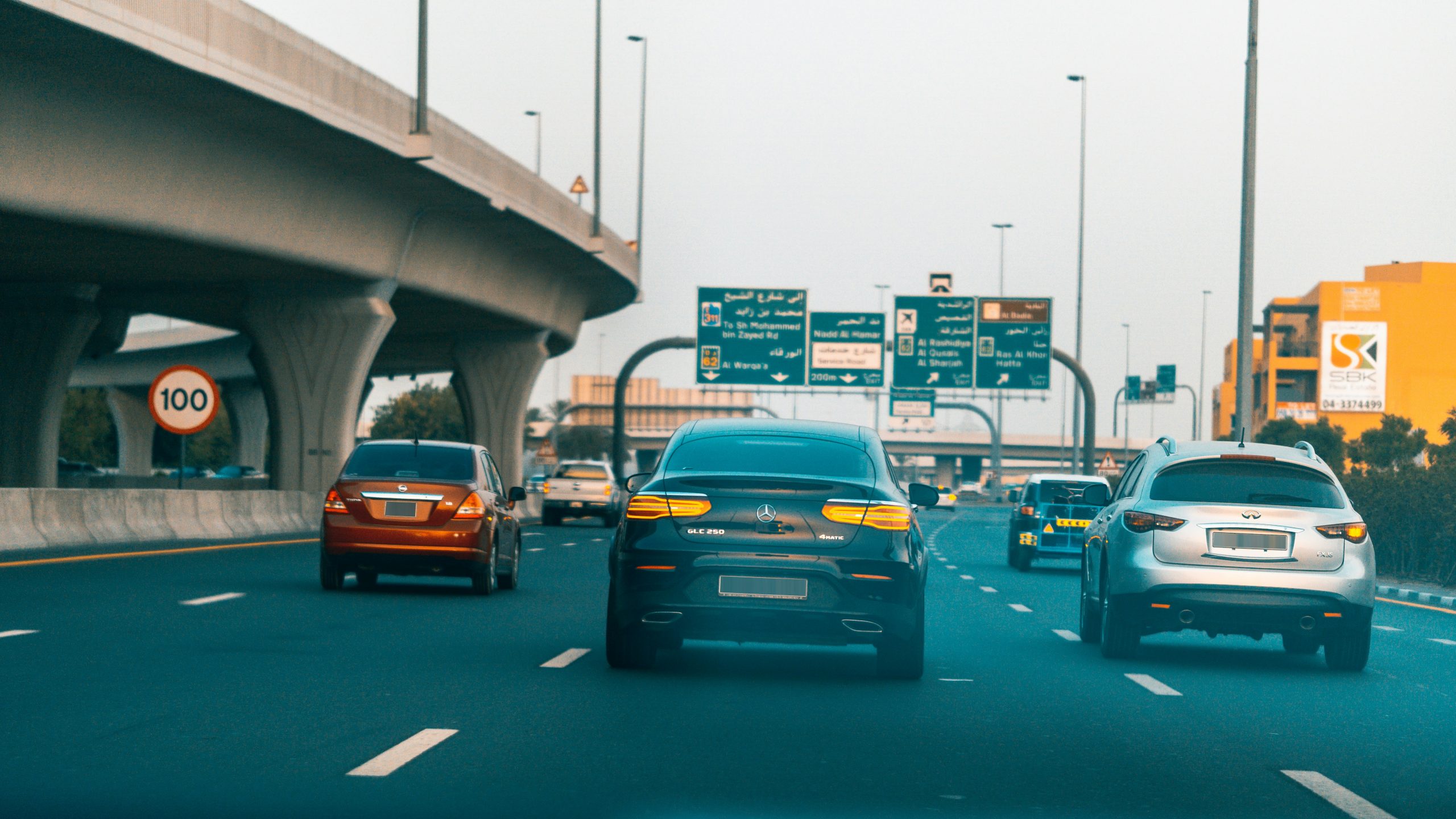
Helpful Tips That Make Driving Feel Easier
Driving in the UAE is easy enough to get used to, though a few small habits make it feel smoother once you’re out there.
- Use navigation apps with live traffic updates
- Keep a card ready for parking payments
- Stay in the correct lane early before exits
- Follow speed limits closely at all times
- Plan fuel stops on longer drives
These small things may seem minor, but they help avoid delays and keep the drive smooth.
Conclusions
Renting a car in the UAE dictates the outcome of your plans. Having your own car gets rid of waiting time or trying to match someone’s schedule. Leave when it feels right. Stay a little longer if the place is worth it. You can move out early and keep going. No need to lock everything in. Things just work better when there’s room to change plans along the way.
Most people rent a car to get between cities in the UAE. It makes getting around simpler and less tied to schedules. Traffic builds, then clears, plans shift halfway through the day—it happens. Having a car makes it easier to go with it instead of working around it.