A Food Lover’s Guide to Wagyu: What You Should Know
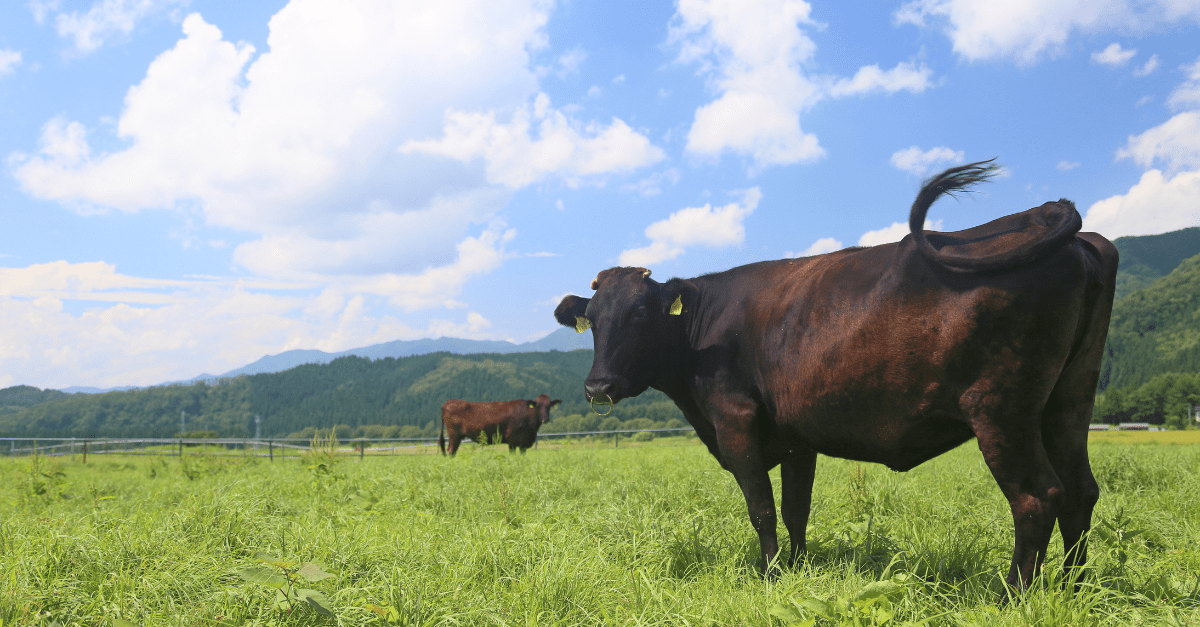
Wagyu beef is synonymous with indulgence, yet few understand the rich history that has shaped its global prestige. The term “Wagyu” translates simply to “Japanese cow,” but the story behind the breed is anything but simple. Originating from Japan, these cattle were selectively bred for centuries to produce meat with high levels of intramuscular fat. This trait gives Wagyu its famous marbling. Initially, cattle in Japan were used primarily as draft animals in agriculture and were not widely consumed for their meat. That began to shift in the late 19th century, as dietary practices in Japan began to evolve alongside Western influences.
By the early 20th century, the Japanese government began formalizing breed standards to preserve the unique qualities of native cattle. Among the most notable breeds today are the Japanese Black, Japanese Brown, Japanese Shorthorn, and Japanese Polled, with the Japanese Black being the most prominent. The meticulous attention to breeding, lineage, and regional climate has given rise to an almost mythic reputation for Wagyu beef. Each strain is raised with care, often under strict guidelines designed to ensure the meat’s consistency and high quality.
The international spread of Wagyu began in earnest in the late 20th century, with a small number of cattle being exported to countries like the United States and Australia. These initial exports laid the foundation for what would become a global industry. While authentic Japanese Wagyu remains highly coveted, crossbreeding programs have produced hybrid Wagyu products that are increasingly available worldwide. The expansion of the market has introduced more consumers to the nuanced flavor and texture of Wagyu, sparking widespread curiosity about what sets it apart from other premium meats.
Understanding What Makes Wagyu Special
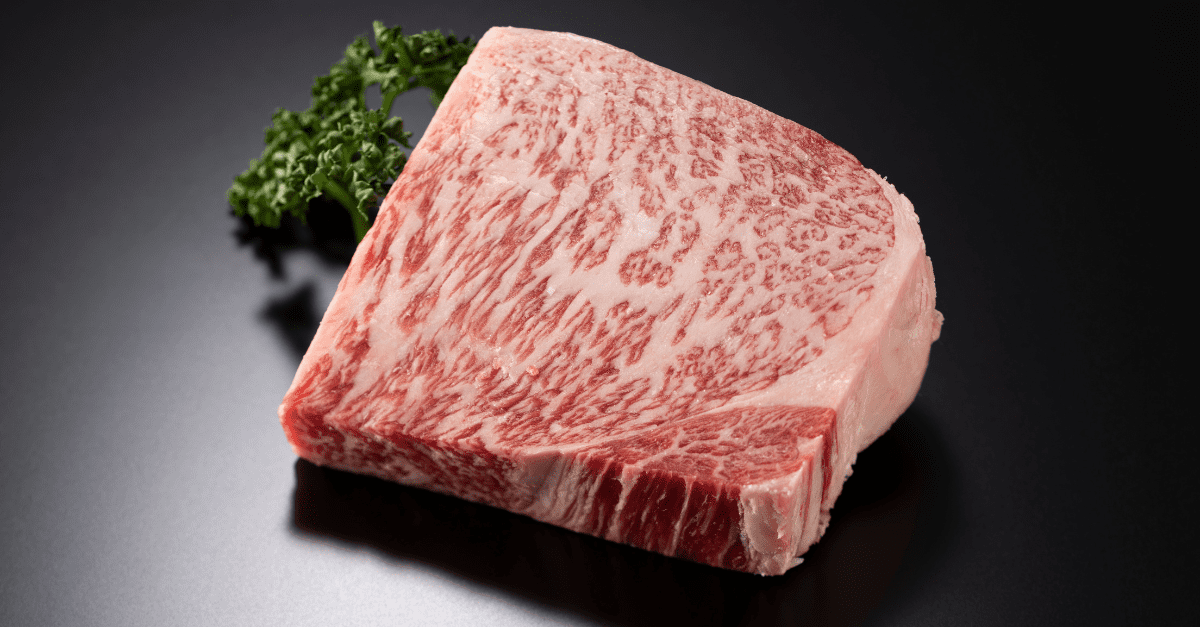
The defining characteristic of Wagyu beef is its unmatched marbling, the fine web of intramuscular fat that renders down during cooking and produces a buttery, luxurious texture. Unlike conventional meat, which often relies on seasoning and cooking techniques for flavor enhancement, Wagyu delivers richness from within. This marbling also contributes to its melt-in-your-mouth sensation, setting it apart from even the highest-grade USDA Prime beef.
Beyond taste and texture, there is a nutritional story worth noting. Wagyu fat is higher in monounsaturated fats and contains more omega-3 and omega-6 fatty acids than typical beef. This unique fat composition not only contributes to a better flavour profile but may also be less harmful from a dietary perspective, though moderation remains essential. Consumers increasingly appreciate Wagyu not only for indulgence but also for its comparative advantages in the premium meat market.
For those new to this culinary world, understanding the basics can be daunting. Fortunately, learning about Wagyu through trusted sources makes it easier to navigate the nuances of quality, grading, and authenticity. Knowing what to look for helps buyers make informed choices in a market where the term “Wagyu” is often loosely applied.
Grades, Ratings, and Regional Variations
Wagyu beef is not a monolith, and its quality can vary significantly based on its grade and region of origin. In Japan, beef is graded by the Japan Meat Grading Association, which uses a dual system: a letter for yield (A to C) and a number for quality (1 to 5). The highest possible grade is A5, which signifies the best yield and top-tier quality. This grading considers several factors, including marbling, color, firmness, and texture. Consumers should be aware that not all Wagyu carries this top rating, and even lower grades can still offer an exceptional culinary experience.
The region where Wagyu is raised also plays a critical role in its flavour profile and quality. Famous varieties include Kobe, Matsusaka, and Omi beef, each with its own history and distinctive characteristics. For example, Kobe beef, which comes from the Hyogo Prefecture, is globally recognized for its tenderness and fine marbling. However, only beef from Tajima strain cattle, born and raised in Hyogo and processed under strict regulations, can earn the Kobe name. These geographical designations are similar to appellations in wine, where provenance guarantees authenticity.
Outside Japan, Wagyu beef is often classified differently, particularly in the United States and Australia. American Wagyu typically comes from crossbreeding Japanese Wagyu with Angus cattle, which results in a beef that is more robust but still features significant marbling. Australia, meanwhile, has emerged as a leading producer of full-blood and crossbred Wagyu, with its grading system based on marbling scores. Consumers looking to explore Wagyu should be attentive to labels and certifications, as they offer critical insight into what exactly they are buying.

Cooking Wagyu: Technique and Respect
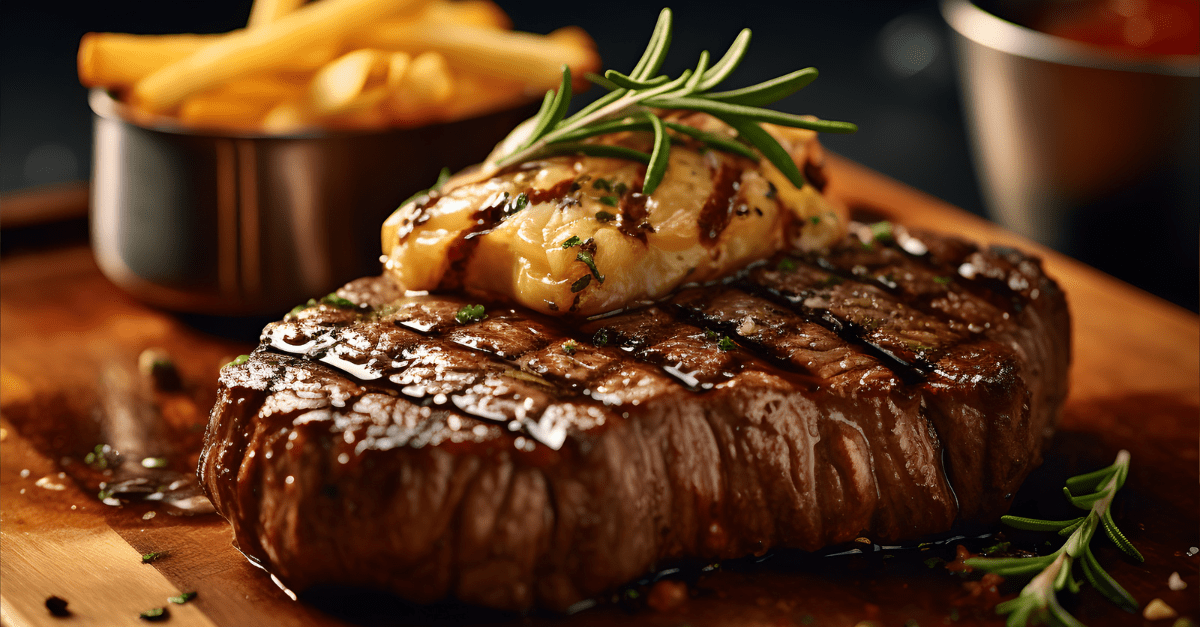
Preparing Wagyu beef demands a level of care that matches its high value. Unlike traditional beef, where searing and seasoning may take center stage, Wagyu requires minimal intervention to shine. Most chefs and aficionados agree that the best method is a simple pan sear or grill over medium heat. This allows the intramuscular fat to render gently, enhancing both the texture and flavour without overwhelming the meat. Cooking Wagyu at too high a temperature can burn off its prized fat content, which undermines the very quality that makes it special.
Seasoning should be kept modest to allow the natural flavours to dominate. A pinch of salt and a touch of pepper are usually sufficient. Many purists even forgo pepper entirely, believing it competes with Wagyu’s delicate sweetness. In Japanese culinary tradition, Wagyu is often served in small portions, such as thin slices cooked shabu-shabu style or grilled lightly as part of a yakiniku experience. These methods underscore the notion that Wagyu is meant to be savoured, not consumed in large quantities.
Serving size is another important consideration. Due to its high-fat content, Wagyu is incredibly rich, and smaller portions tend to be more satisfying than traditional steak cuts. Pairing the meat with neutral sides like steamed rice, lightly dressed greens, or pickled vegetables helps balance the richness. Wine or sake pairings should aim for subtlety; robust reds or overly sweet beverages can overshadow the meat’s nuanced profile. Ultimately, cooking Wagyu is about restraint and precision, allowing the beef to speak for itself.
Health Considerations and Nutritional Profile
Although Wagyu is often viewed as an indulgence, it carries some surprising nutritional advantages. One of its most notable features is its high content of monounsaturated fats, particularly oleic acid, which is also found in olive oil. Studies have shown that monounsaturated fats can contribute to better heart health when consumed in moderation. This means that while Wagyu is undeniably fatty, not all of that fat is unhealthy. The balance of fat types may offer a more favourable lipid profile than conventional beef.
Wagyu beef also tends to contain higher levels of omega-3 and omega-6 fatty acids compared to standard beef. These essential fats play a role in brain function, inflammation regulation, and cellular health. While Wagyu should not be mistaken for a healthy food, it offers a more complex nutritional profile than one might assume. For individuals who are mindful of their diets but still want to indulge occasionally, Wagyu may be a more balanced option than processed or grain-fed meats.
That said, moderation remains key. Due to its rich nature, Wagyu is best enjoyed in smaller servings and not as a daily protein source. Consumers should be aware of portion sizes and overall caloric intake, especially if Wagyu is part of a larger, multi-course meal. Understanding the nutritional dynamics allows for more mindful consumption and counters the notion that premium beef must always come at a health cost.
Buying and Storing Wagyu at Home
Purchasing Wagyu beef can be a daunting task for the uninitiated. With prices that often exceed hundreds of dollars per pound, it is critical to know what to look for. Consumers should prioritize trusted suppliers who can verify the origin, breed, and grade of the beef. Look for certifications or documentation that confirm the beef’s authenticity, especially when buying Japanese imports. Online retailers, specialty butchers, and high-end grocery stores are often reliable sources, particularly those that provide transparency around sourcing.
Once purchased, proper storage is essential to preserving Wagyu’s quality. It should be kept in the coldest part of the refrigerator and used within a few days of purchase. If you do not plan to cook it immediately, freezing is acceptable, but it should be done carefully. Vacuum sealing is the best method to prevent freezer burn and maintain texture. When ready to use, allow the beef to thaw gradually in the refrigerator rather than using a microwave or warm water, which can degrade the marbling.
For those investing in such a premium product, storing leftovers can feel sacrilegious, but it need not be wasteful. Leftover Wagyu can be used in rice bowls, salads, or even sandwiches if appropriately handled. The key is to reheat it gently, avoiding high temperatures that can render the fat and dry out the meat. Proper care in storage and handling ensures that every bite of Wagyu lives up to its reputation, even beyond the first meal.
The Experience: Beyond Taste
Enjoying Wagyu is as much about the ritual as it is about the flavour. Dining on Wagyu is often a sensory experience that engages sight, smell, and texture as deeply as taste. The sight of the intricate marbling, the sizzle as it cooks, and the aroma released by the rendered fat all contribute to a multi-layered moment. It transforms a meal into an event, one that invites slow, deliberate appreciation rather than hurried consumption. This is why Wagyu is so often featured in high-end omakase menus and special occasion dinners.
The cultural significance of Wagyu in Japan is deeply embedded in its presentation and consumption. Whether served in a minimalist setting or as part of a more elaborate dining experience, the reverence for the product is evident. Even the cutlery, plateware, and ambiance are curated to enhance the enjoyment of the meat. For those outside Japan, replicating this experience at home or in a restaurant offers a glimpse into the artistry behind Wagyu, turning what might otherwise be a meal into a culinary journey.
For many, the appeal of Wagyu lies not just in its luxurious mouthfeel but in what it represents: craftsmanship, tradition, and an uncompromising pursuit of quality. As global interest continues to grow, the challenge will be maintaining authenticity and standards in the face of increasing demand. But for the true food lover, Wagyu offers more than just sustenance. It is a testament to what beef can become when raised with patience, cooked with care, and savoured with intention.