
Why Ditching Hotel Reservations for a Camper Van Might Change Your Colorado Trip
Planning a Colorado trip usually means the same routine: booking hotels across the state, timing each reservation to match your itinerary, creating spreadsheets, collecting confirmation numbers, and organizing everything down to the last detail.
But there’s another approach that’s gaining traction among visitors who want more flexibility and access to Colorado’s best spots. Instead of bouncing between hotels, some people are opting for camper vans—and finding that the trade-offs work surprisingly well for alpine adventures.
Here’s what makes this approach different, and whether it might work for your next Colorado trip.
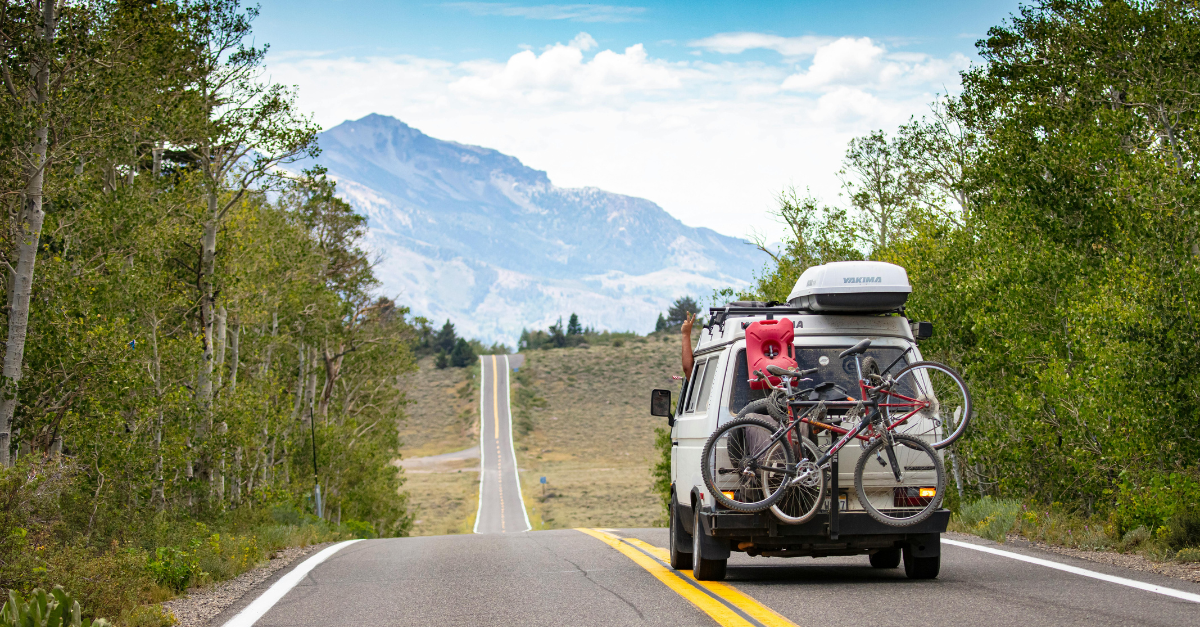
The Flexibility Factor
Picture this: you wake up to the sun rising over the Rockies, visible from your bed. Not through a hotel window, but right there in the open. You make coffee in your compact kitchen, open the door, and watch wildlife wander past while the mountains turn pink and gold.
This is what draws many people to the camper van option—the ability to wake up exactly where you want to be.
Standard hotel reservations lock you into specific areas for specific dates. Bad weather? You’re committed. Found an incredible spot and want to linger? Your checkout time has other ideas. Finished your hike early and ready to move on? You’re stuck until tomorrow.
With a camper van, those constraints disappear. Finish a hike at Maroon Bells earlier than expected? Head to Aspen for lunch, drive Independence Pass if the weather looks good, or pull over at Twin Lakes for the evening. The decision takes seconds instead of requiring frantic searches for available rooms.
Location Access That Hotels Can’t Match
Here’s something often overlooked about Colorado: the most spectacular places aren’t near standard lodging. They’re up forest service roads, at trailheads, near alpine lakes, and in areas that would require 45-minute drives from the nearest room just to start your day.
Camper vans let people stay at those places.
Imagine waking up already parked at a trailhead. While other visitors arrive and compete for limited parking spots, you’re having breakfast and getting ready at your own rhythm. No stress about arrival times or full lots—you’re already there.
People often find spots along creeks where aspen trees glow yellow in fall, and simply decide to stay another night because leaving feels wrong. They drive up to Kenosha Pass after hearing locals mention the fall colours, pull over, make dinner, and watch the sunset unfold. The entire state becomes accessible in a way it isn’t when fixed reservations tie you down.
 The Comfort Question
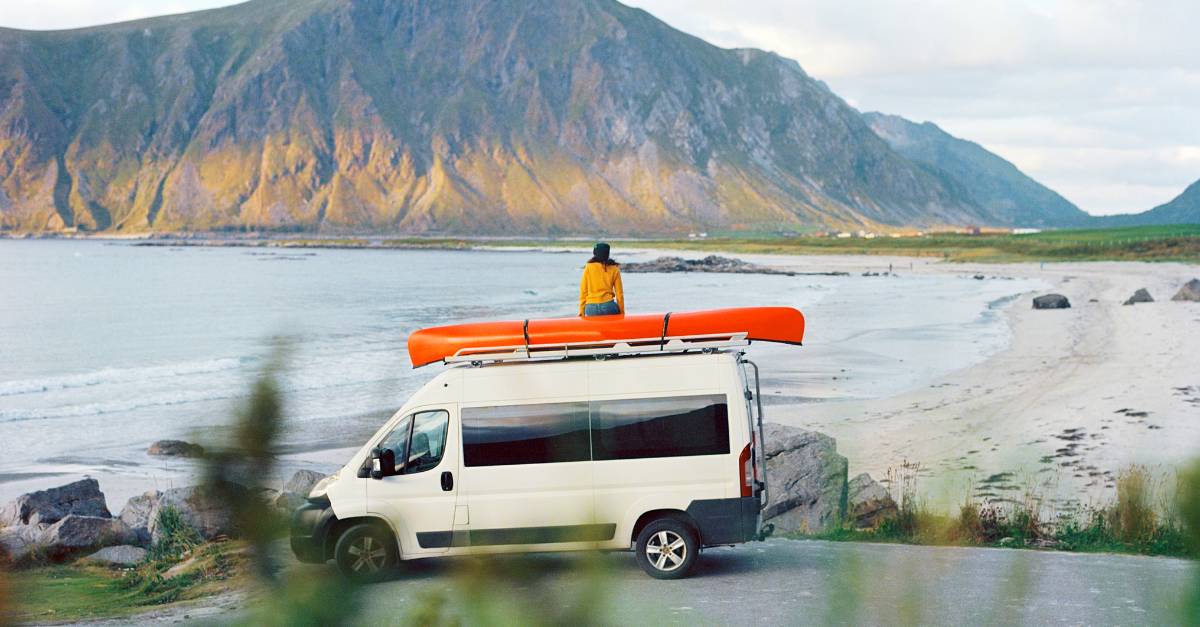 The Comfort Question
The biggest hesitation most people have? Comfort. If you appreciate nice stays, good linens, and having space, the idea of trading rooms for a vehicle can seem like roughing it.
Modern camper vans aren’t what most people picture, though. They typically include full-size beds with actual mattresses, bathrooms with showers (no campground facilities required), and kitchens that function surprisingly well. Many have heating and air conditioning that keep things cozy during chilly evenings at altitude.
There’s definitely an adjustment period. You’ll need to think about where to fill up with water and where to park for the night. Space is tighter than what you’d find at a Marriott, so staying organized matters. The bathroom is smaller too.
But those who make the switch often find these minor inconveniences are outweighed by what they gain: the ability to chase weather patterns, follow local recommendations, and change course based on a conversation at a trailhead. They trade a bit of space for complete freedom.
Is This Approach Right For You?
If you love room service, daily housekeeping, and having lots of space to spread out, stick with hotels. They absolutely have their place, and there’s no shame in preferring them.
A few things that help the transition: starting with a long weekend rather than committing to a full week right away gives you time to adjust. Booking early matters because premium vans get snagged quickly during peak seasons. Downloading apps for finding both established campgrounds and dispersed camping areas is essential. And packing less than you think you’ll need usually turns out to be the right call.
What This Kind of Trip Offers
The biggest advantage isn’t just having a mobile room. It’s about access to places that would otherwise be impractical or impossible to fully enjoy. It’s about the ability to change your entire itinerary based on weather, a tip from a barista, or simply how you feel that day.
It’s about falling asleep to the sound of a creek and waking up to alpine views, then deciding whether to stay put or chase the next adventure. It’s about not being tied to checkout times, reservation confirmations, or the need to drive back to town after a long day on the trail.
The best itinerary, it turns out, is often the one that can change based on weather, whim, and wherever the road takes you. And that’s exactly how Colorado is meant to be experienced.