
From Souvenir to Statement: Integrating Travel Finds into Your Existing Décor
Travel has a way of leaving marks on our lives long after the journey ends. Beyond photographs and memories, the objects we bring back often carry stories of places, people, textures, and traditions. Yet many souvenirs end up tucked away in drawers or displayed without intention, feeling disconnected from the rest of the home. The real magic happens when travel finds are elevated from simple mementos into meaningful design statements that enrich an existing interior. This article explores how to thoughtfully integrate travel souvenirs into your decor so they feel curated, cohesive, and personal rather than cluttered.
Rethinking the Meaning of a Souvenir
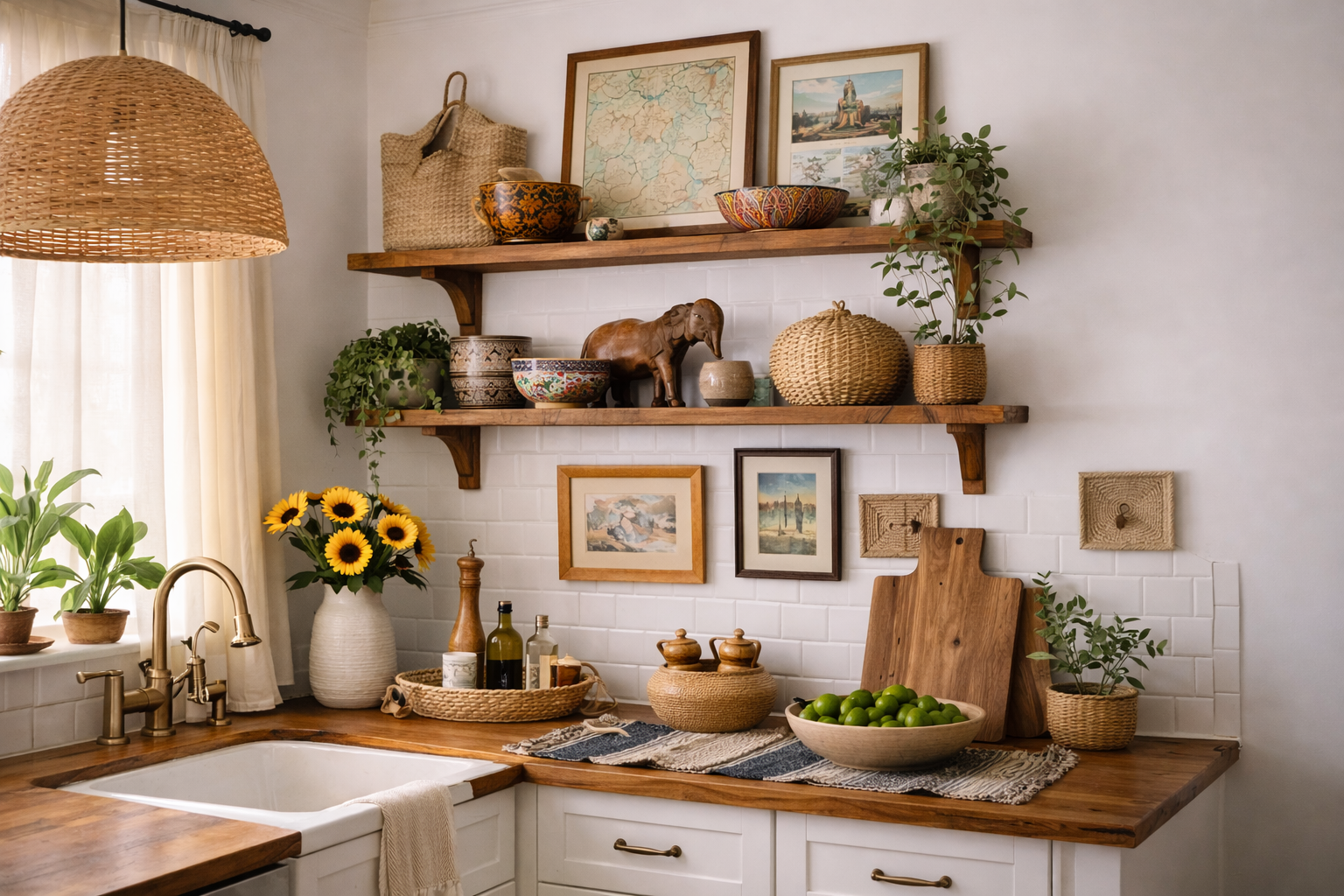
A souvenir does not have to be small or overtly tourist-focused. It can be a hand-woven textile from a local market, a ceramic bowl from a coastal village, carved wood from a mountain region, or even framed maps and tickets. These items represent craftsmanship, culture, and memory. When treated as design elements rather than keepsakes, they gain visual and emotional value. The goal is not to recreate a themed room from a single destination but to let each piece quietly tell its story within your existing aesthetic.
Understanding Your Current Decor Style
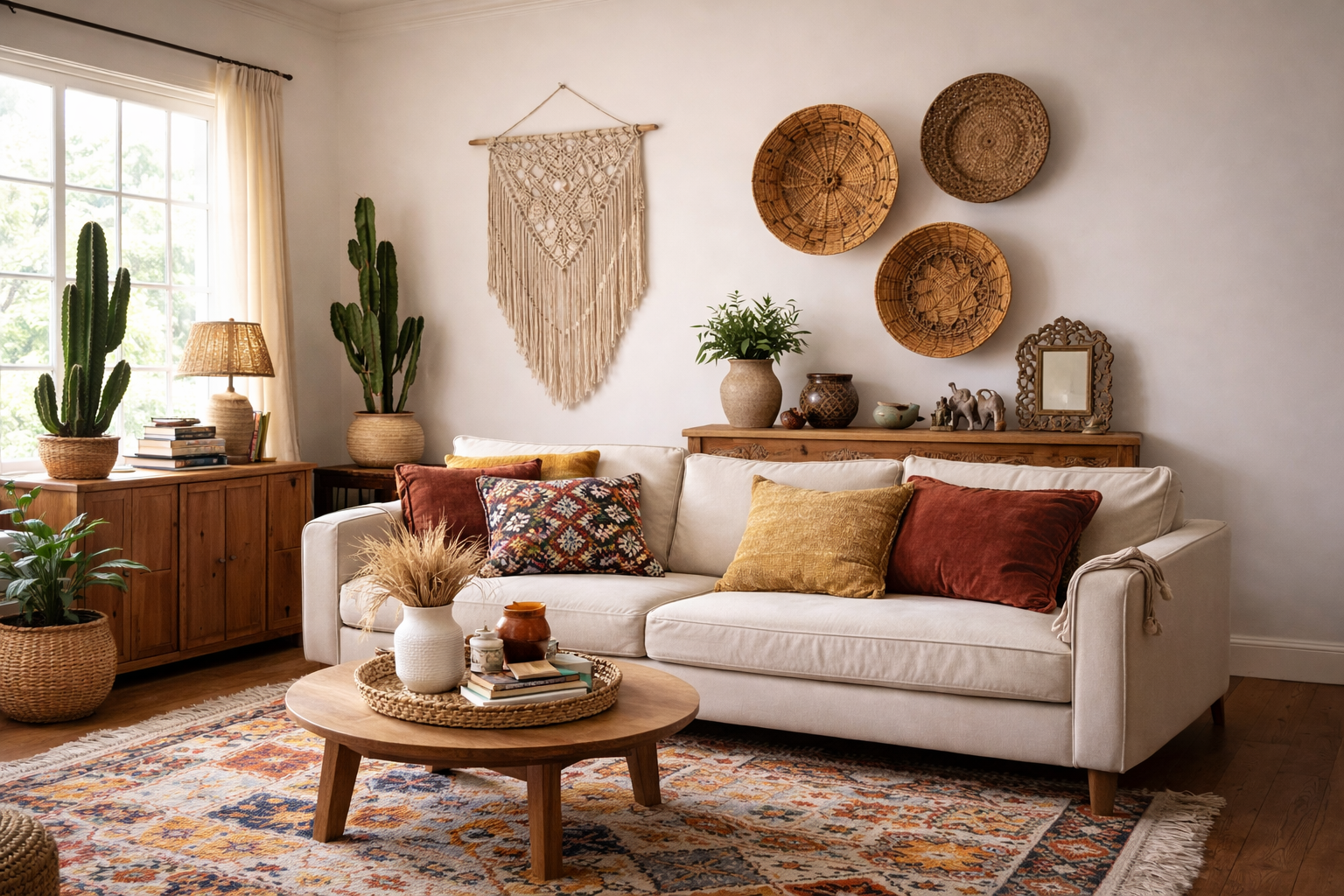
Before placing travel finds around your home, take time to assess your current decor. Is it modern, minimalist, eclectic, or transitional? Consider your dominant colour palette, materials, and overall mood. A sculptural object from Morocco will feel different in a neutral contemporary living room than in a bohemian space layered with colour and texture. Understanding your foundation helps you decide where contrast will add interest and where harmony will feel more intentional.
Choosing Statement Pieces Over Small Trinkets
One common mistake is displaying many small souvenirs together without a clear focal point. Instead, select a few standout pieces that can hold visual weight on their own. A large ceramic vase from Italy or a bold textile from Peru can anchor a room far better than a shelf filled with miniature figurines. Larger items allow the eye to rest and give the piece the respect it deserves as a design element.
Layering Travel Finds with Everyday Decor
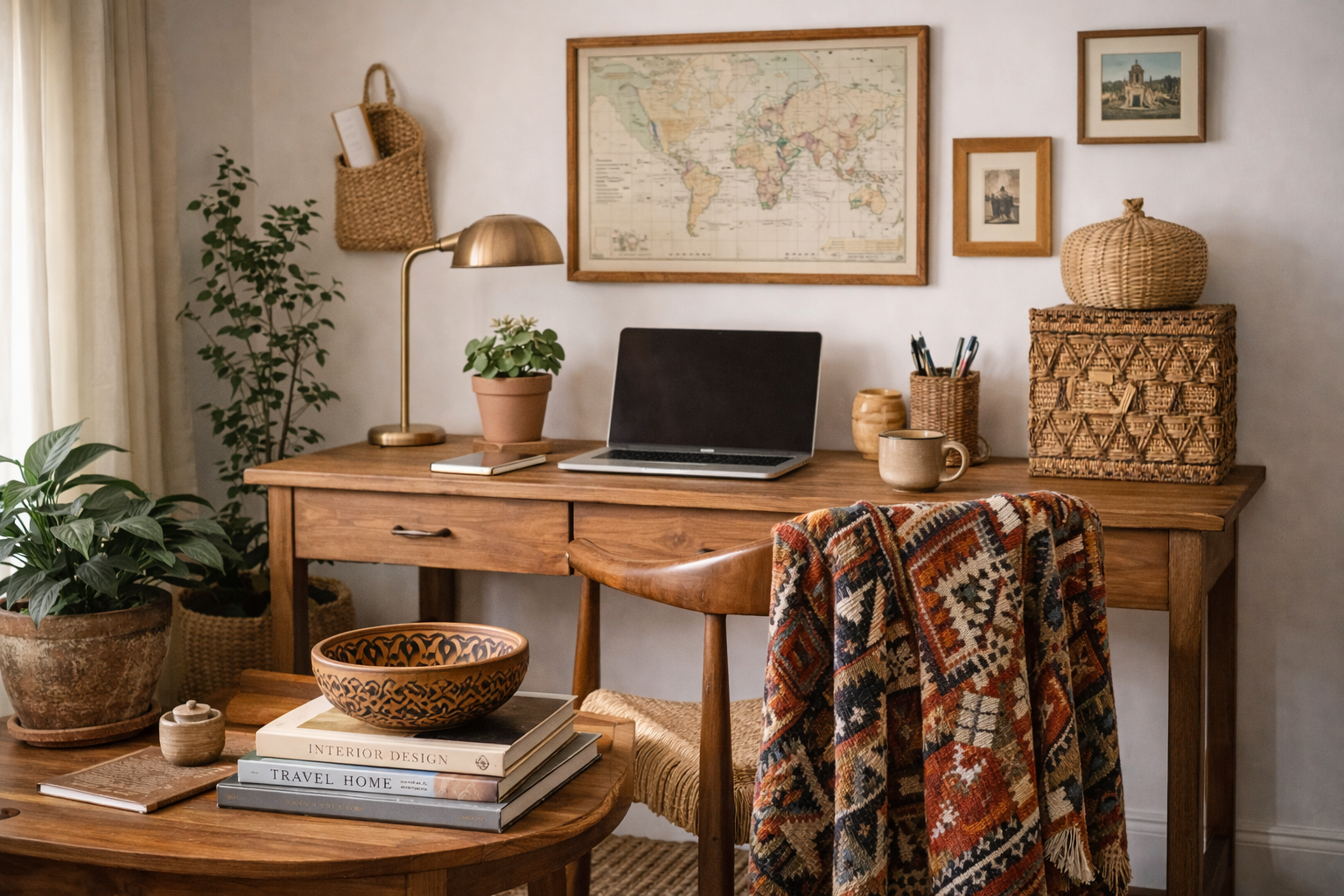
Integration works best when travel pieces are layered with familiar items. Place a carved bowl on a coffee table alongside design books and simple objects. Drape a travel textile over a chair that already fits your style. This blending prevents souvenirs from feeling like museum pieces and instead makes them part of daily life. The contrast between the known and the discovered creates warmth and depth.
Using Colour and Texture as a Bridge
Colour and texture are powerful tools for integration. If your travel find introduces a new colour, echo it subtly elsewhere in the room through cushions, artwork, or accessories. Textured items like woven baskets, stone sculptures, or metal trays add richness to smooth modern surfaces. This approach allows travel items to feel intentional even in contemporary interiors dominated by clean lines.
Creating a Travel Focused Display Zone
Rather than scattering souvenirs randomly, consider dedicating specific zones to travel-inspired decor. A console table, bookshelf, or wall niche can become a curated display area. This method works especially well in living rooms and open-plan spaces. For example, styling shelves above modern TV units with storage allows you to showcase meaningful objects without overwhelming the room. The furniture provides a clean structured base while the souvenirs add character and narrative.
Mixing Old World Craft with Modern Furniture
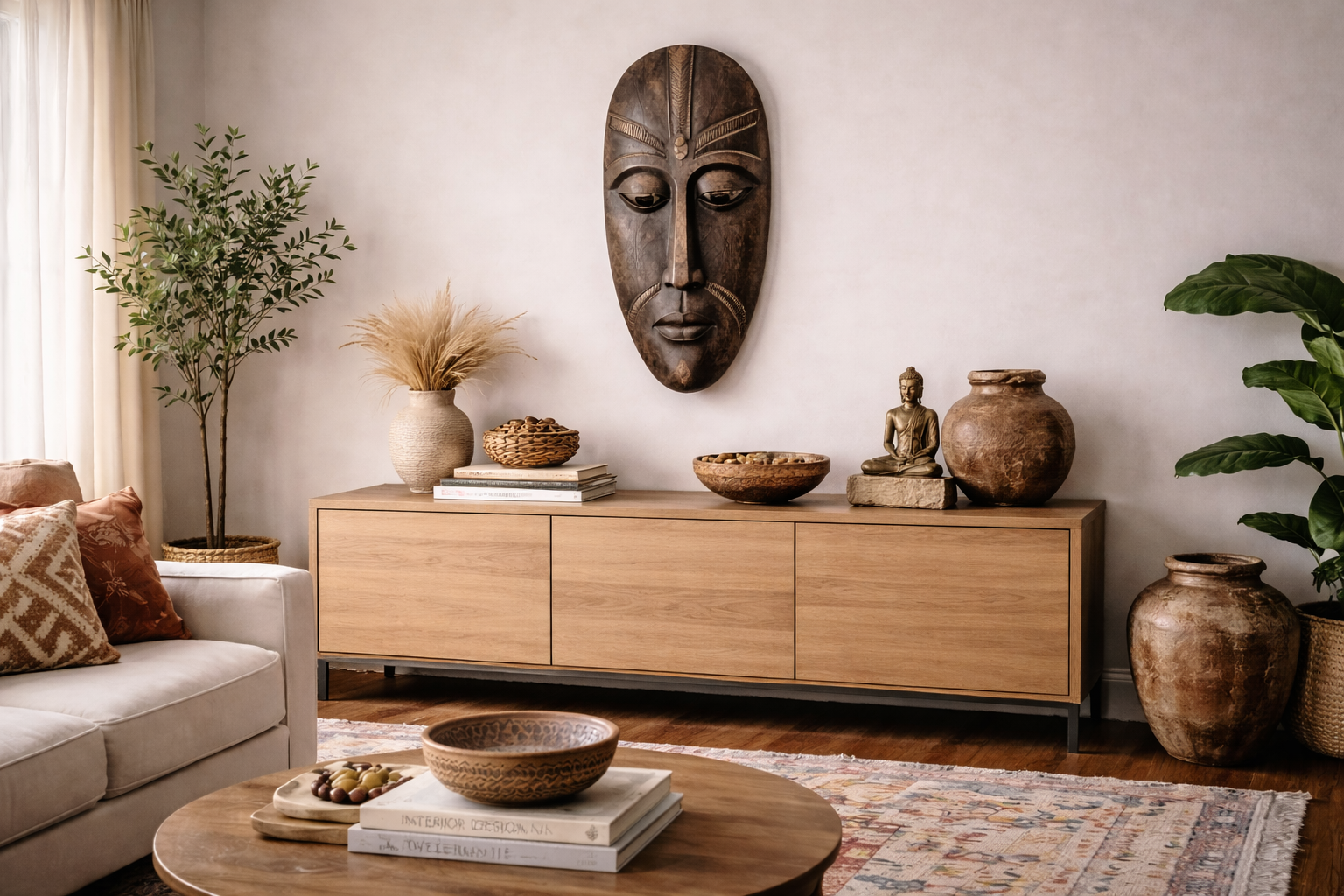
One of the most striking design approaches is mixing handcrafted travel items with modern furniture. The contrast highlights both elements. A hand-carved African mask displayed above a sleek media unit or a rustic clay pot placed near polished surfaces creates visual tension that feels sophisticated. Modern furniture acts as a neutral canvas, allowing the authenticity of travel finds to shine without competing for attention.
Telling a Story Through Grouping
When displaying multiple travel items, group them by theme rather than location. You might group objects by material, such as wood, ceramic, or metal. Alternatively, group them by colour or shape. This approach creates cohesion even if the items come from different countries. A collection of monochrome ceramics from various travels can feel more unified than items grouped solely by destination.
Incorporating Travel Textiles Thoughtfully
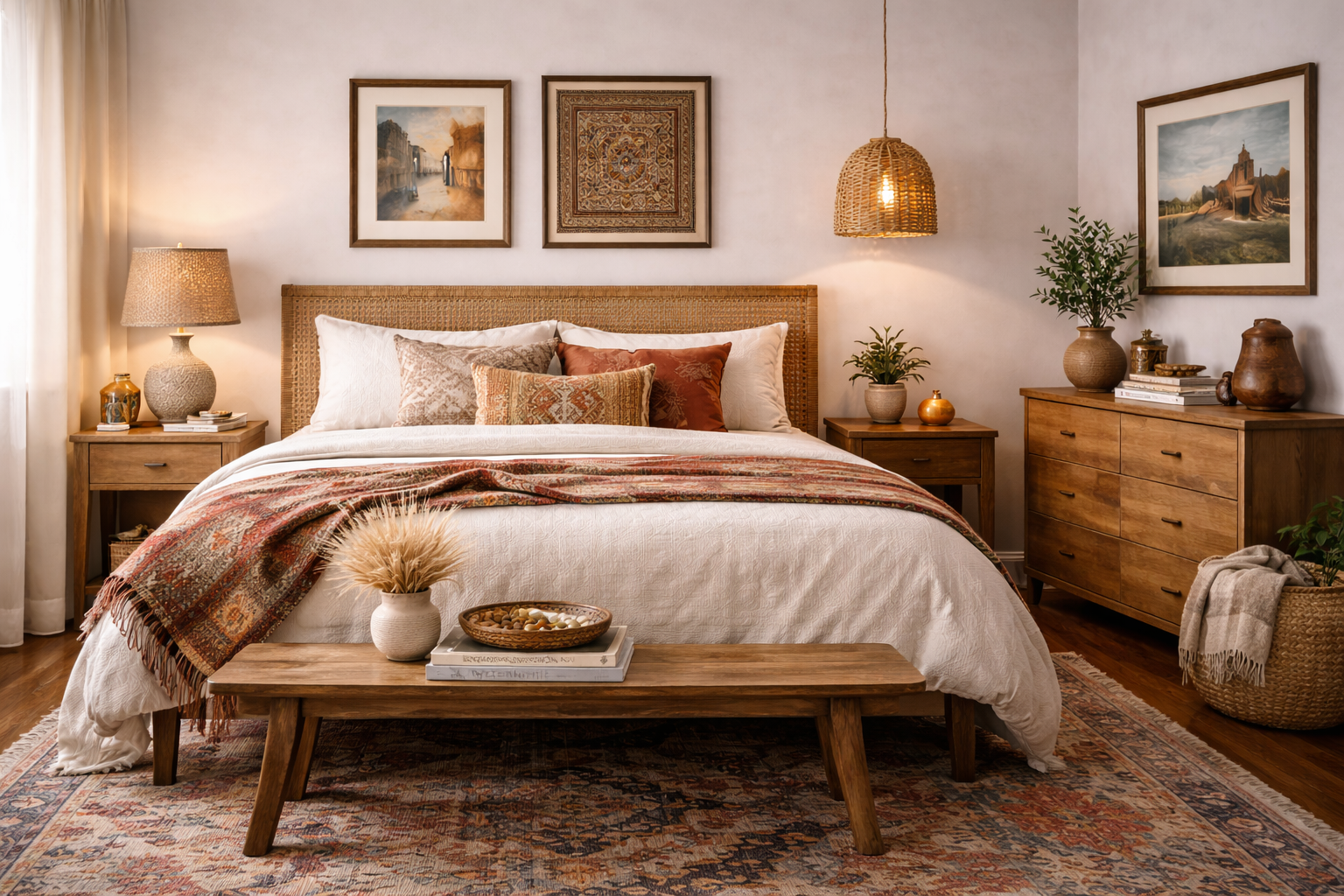
Textiles are among the easiest travel finds to integrate. Rugs, throws, and cushions instantly add warmth and cultural depth. The key is balance. If the textile is richly patterned, keep surrounding elements simple. Use it as an accent rather than letting it dominate the space. In bedrooms and living rooms, travel textiles can soften modern lines and make the space feel lived in.
Using Art and Wall Decor from Your Travels
Artwork collected while travelling often carries strong emotional value. Instead of storing it away, give it proper placement. Frame smaller pieces professionally to elevate their appearance. For larger items, allow them space to breathe on the wall. Avoid overcrowding. A single striking piece can become a conversation starter and a daily reminder of a meaningful journey.
Integrating Functional Travel Finds
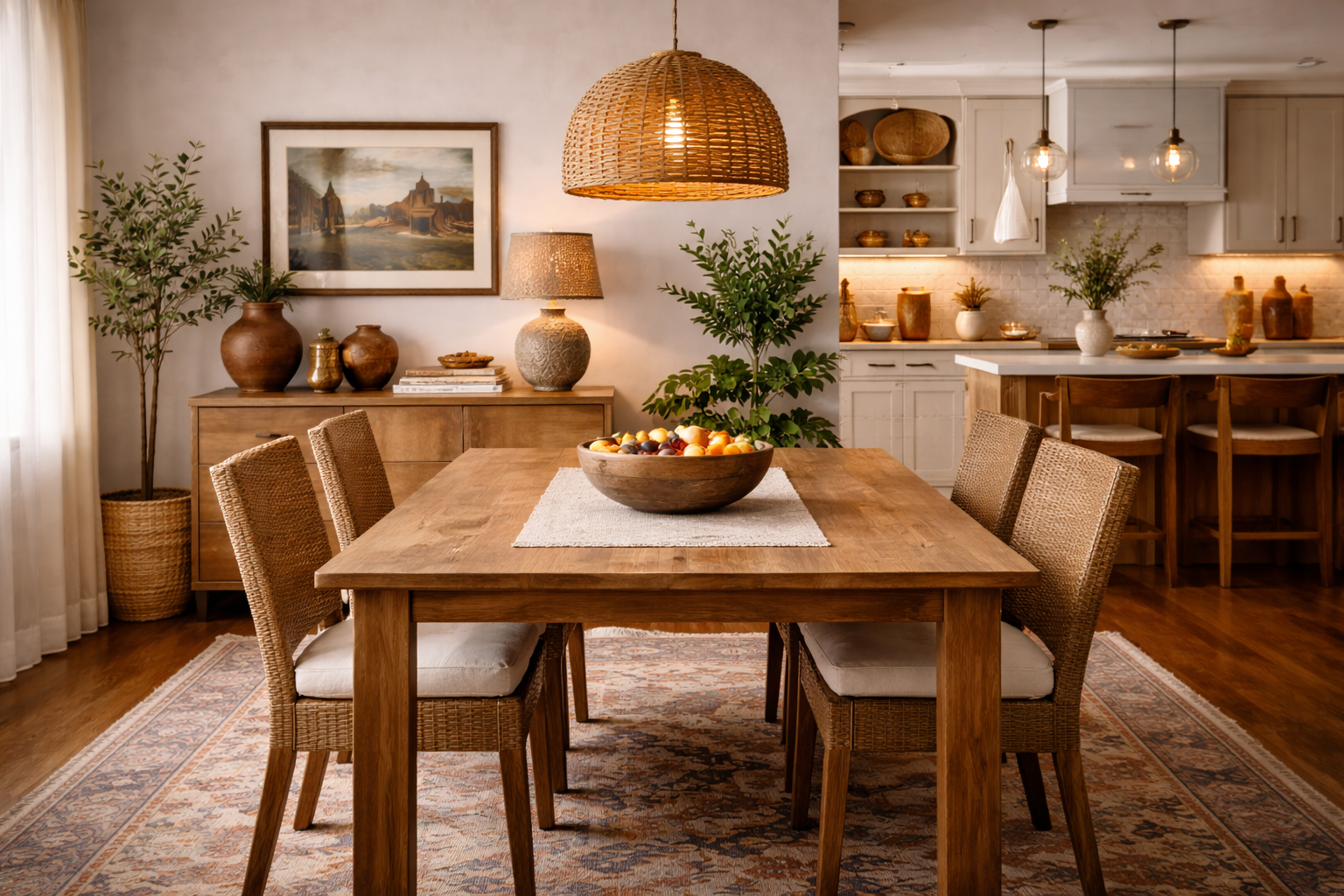
Some of the best souvenirs are functional. Handmade trays, baskets, lamps, or stools can be used daily while adding character to your home. When functionality meets craftsmanship, the item naturally blends into your lifestyle. Placing such pieces near modern TV units with storage can soften the look of technology-focused areas and bring warmth to spaces often dominated by screens and electronics.
Avoiding the Theme Park Effect
While travel-inspired decor is personal, it is important to avoid turning your home into a themed display. Too many overt references to a single culture can feel forced. Instead, let your travel finds coexist quietly with your existing decor. The aim is subtle storytelling rather than visual overload. Less truly is more when each piece has room to be appreciated.
Letting Memories Guide Placement
Placement should feel intuitive and emotional, not just aesthetic. A bowl you bought during a memorable trip might belong in the dining area where you gather with loved ones. A calming object from a nature-focused journey might suit a bedroom or reading nook. When placement aligns with memory and emotion, the space feels more authentic and personal.
Evolving Your Display Over Time
Your relationship with travel finds can change over time. Do not be afraid to rotate items or move them to different rooms. This keeps your decor feeling fresh and allows you to rediscover pieces you may have stopped noticing. Treat your home as a living gallery that evolves as your experiences grow.
Conclusion
Transforming souvenirs into statement pieces is about intention, balance, and storytelling. When travel finds are thoughtfully integrated into your existing decor, they become more than reminders of where you have been. They become expressions of who you are. By focusing on quality, cohesion, and meaningful placement, you can create a home that reflects your journeys while remaining stylish and harmonious. Each object becomes a quiet conversation between past experiences and present living, turning your space into a deeply personal sanctuary.