The most astonishing destinations you need to visit at least once in your lifetime
Travelling is one of life’s great joys, fostering personal growth and enrichment, and providing opportunities to educate yourself and explore the world around you. It also offers a much-needed respite from daily routine, which is highly beneficial for your mental and emotional well-being, promoting relaxation, recharging, and the potential to gain a new perspective on things. Travel challenges you as well, since you’ll have to come up with solutions to random issues you may encounter, and can even help you understand yourself much better. Perhaps paradoxically, it can be much easier to reflect on your life when you’re away from home.
There are so many different places to see and things to do that choosing a spot can genuinely seem like you’re spoilt for choice. However, there are a few destinations that should be on everyone’s list due to how impressive and sensational they are. Visiting them only once will most likely feel like too little time, and you might feel the need to start planning your next trip the moment you arrive home.
Gambier Islands
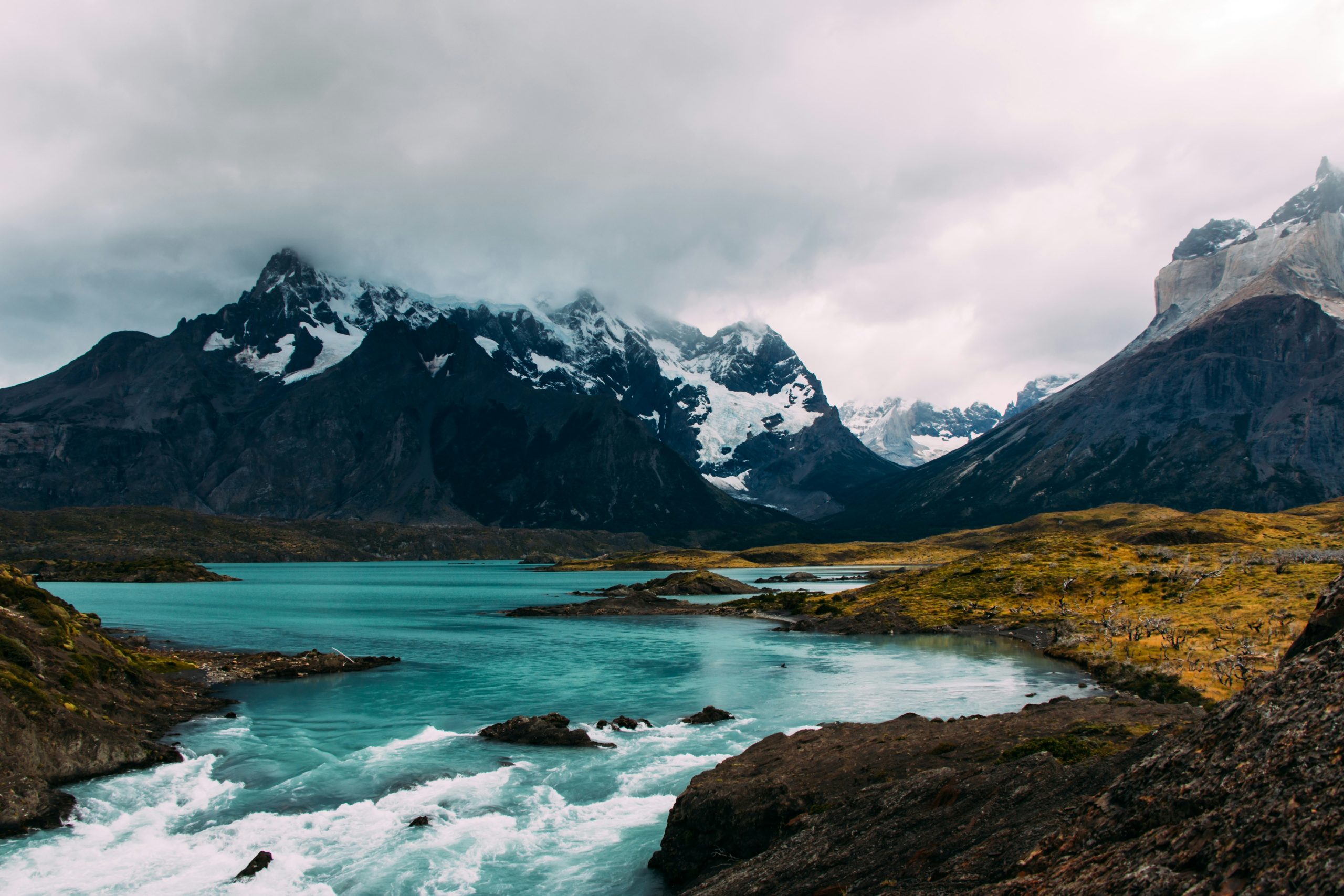
The Gambier Islands are an archipelago in French Polynesia with a population of only 1,431 people, all of whom reside on Mangareva Island. Cycling is the best way to move around as you can take in the views, and since the island is so small, renting a car can feel downright unnecessary. All you’ll need is a tiny backpack with water and a few snacks, and you’re free to start exploring. You can look for Disney bags and backpacks and treat yourself to one of these cute designs ahead of your trip. Take in the views of the lagoon and the Pacific Ocean, and take in the unique atmosphere of the island.
The volcanic islands are covered in lush tropical foliage, where you can go birdwatching. The underwater fauna is very diverse, with many types of coral reef fish that can be spotted if you decide to go diving.
 Patagonia
 Patagonia
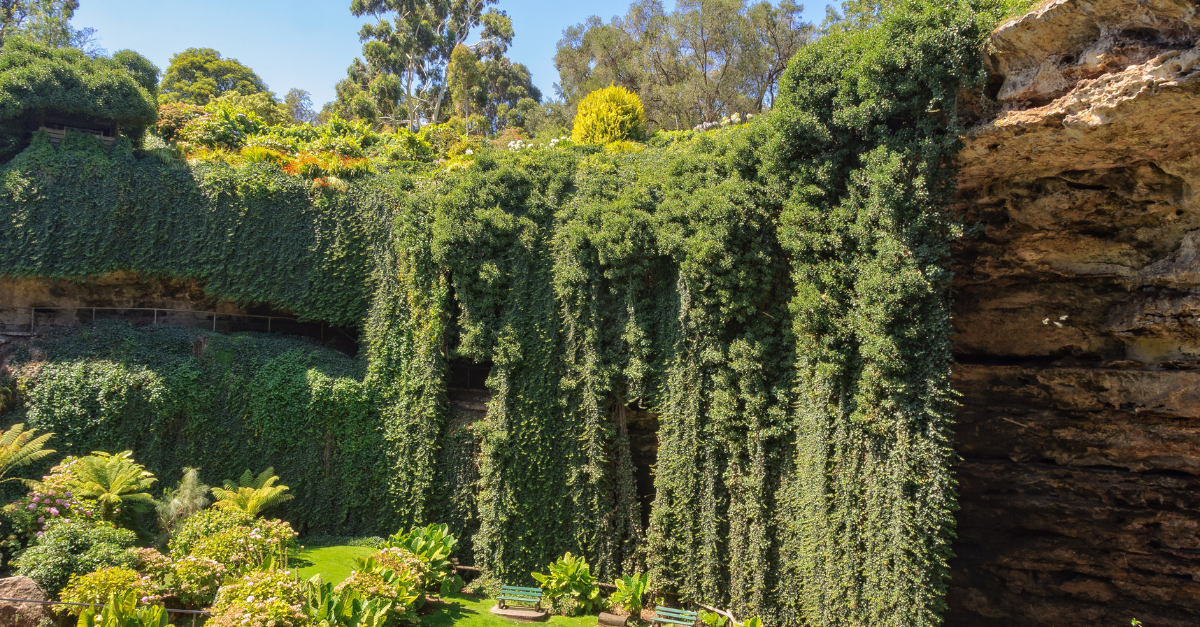
Patagonia is a geographical region in South America that includes parts of both Chile and Argentina. It comprises the southern side of the Andes with fjords, lakes, glaciers, and temperate rainforests in the west, and desert, steppes, and tablelands to the east. It has the Pacific to the West and the Atlantic to the east, with the archipelago of Tierra del Fuego sometimes considered a part of Patagonia as well. You can visit the Cueva de las Manos in Santa Cruz to see the numerous hand stencils painted on the cave walls, some of which date back to 7,300 BC.
If you enjoy hiking, you can do it in the Torres del Paine National Park, which lies in a transitional area between the Patagonian Steppes and the Magellanic subpolar forests. It is part of the End of the World route, a name derived from the fact that Chile is the southernmost country on the planet. The Museo Paleontológico Egidio Feruglio hosts the fossils of the Patagotitan mayorum, the largest
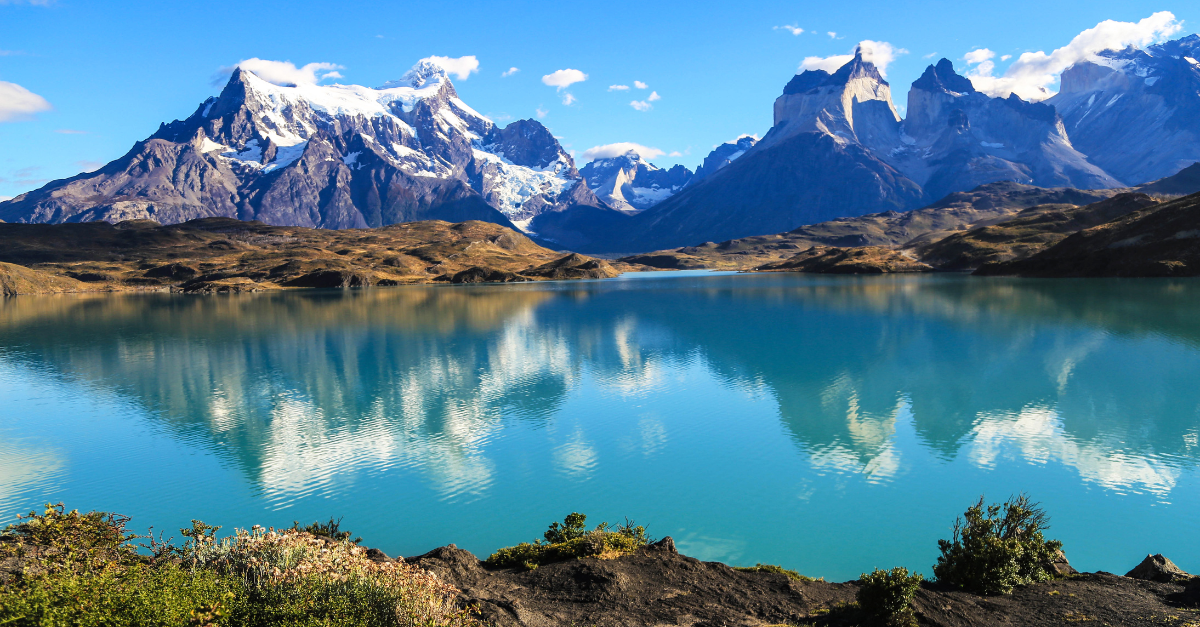 dinosaur that ever existed.
Galápagos Islands
The Galápagos Islands are a volcanic island archipelago in the Eastern Pacific situated around the equator and almost 1000 kilometers west of the South American mainland. When you visit this spectacular place, the views will definitely make you want to see every single corner of it with your own eyes. If you’re lucky, you’ll be able to spot blue-footed boobies among the palo santo and prickly pear cactus trees on a hike through North Seymour Island. Then, you can snorkel with the penguins on Bartolomé Island and enjoy an educational gateway at the Charles Darwin Research Station, where you can also stroll through the gardens and take the Ruta de la Tortuga to see the gentle Galápagos giant tortoises.
Outer Hebrides
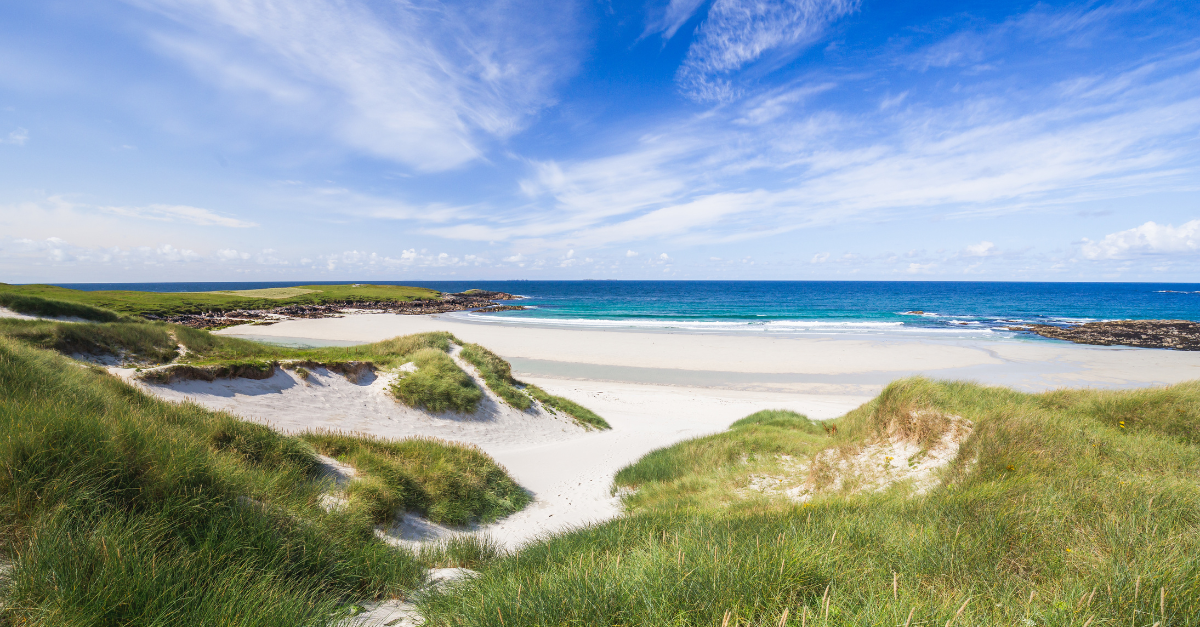
 Outer Hebrides
The Outer Hebrides are an island chain off the west coast of Scotland. Many prehistoric structures predating the written references of the Greeks and Romans can be found on the islands, with the Western Isles having been part of the Norse Kingdom of the Isles that lasted for more than four centuries until Scotland obtained sovereignty following the 1266 Treaty of Perth. Gaelic culture, including music, language, sport, and religion, is important, with the Outer Hebrides regarded as the heartland of the Gaelic language.
You must definitely stop by the lofty Kisimul Castle, which can only be reached via boat. Swimming and kayaking are naturally popular in the region, and you will also encounter many different types of birds, including puffins, razorbills, glaucous gulls, corn crakes, and kittiwakes. You can also try horse riding on the beach, and enjoy the numerous concerts, festivals, and cèilidh (traditional gatherings), where Celtic music is played.
South Island
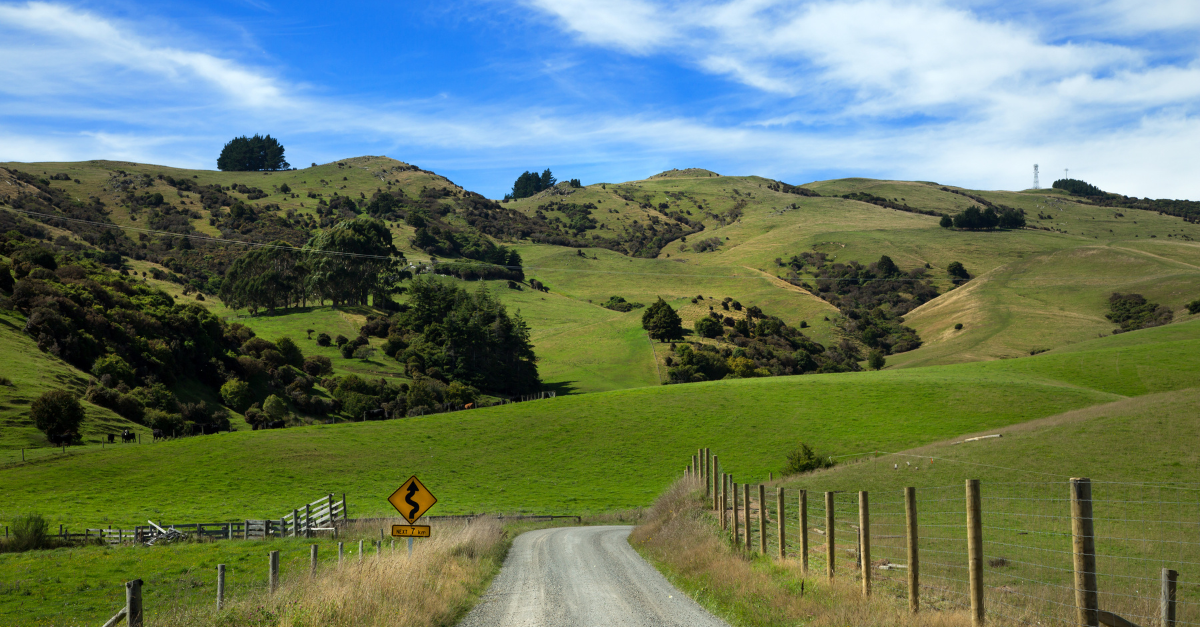
 South Island
The South Island is the largest of the three biggest islands of New Zealand by surface area, bordered by the Tasman Sea and the Cook Strait. The natural geographic features of this area are second-to-none, with the fiords being one of the major attractions. There are fifteen of them located in an area known as Fiordland. The Milford Sound, known in Māori as Piopiotahi, after the South Island’s extinct piopio bird, hosts a large variety of marine mammals, including bottlenose dolphins and seals. Whales, especially southern right whales and humpbacks, can be spotted in increasing numbers nowadays, as well as the endemic Fiordland penguins, but make sure you don’t disturb their nests.
Most of the country’s glaciers can be found in the South Island, and there are also four extinct volcanoes, all on the east coast, with the Banks Peninsula being the most prominent. Several forest parks and protected areas can be explored if you enjoy the great outdoors, including the Craigieburn Forest Park, Mount Richmond Forest Park, Abel Tasman National Park, Paparoa, Aoraki, and Rakiura.
 There are so many beautiful places to see that it can be almost impossible to make a definitive list, but there are a few that should definitely be on everyone’s bucket list. If you enjoy adventures and want to see some of the most scenic views in the world with your own eyes, these are definitely the spots for you.