
Wellness Holiday Abroad: 5 Destinations Perfect for a Restorative Trip
There are people out there, maybe even you included, who have gotten back from a vacation and felt like they need a vacation to recover from the vacation. A week or two of over-scheduled sightseeing, bad airport food, and trying to see everything at once will do that. A wellness trip is supposed to work the other way around, and when you pick the right destination, it usually does. That said, not every place that calls itself a wellness destination actually earns the label. Some of them are just resorts with yoga mats. The global wellness tourism market was valued at $990.4 billion in 2025 and is set to climb to around $2,400 billion by 2035. If you want to see what it’s all about, the five places below are the real thing, destinations where the environment, the culture, or both are genuinely set up to help you slow down and recover.
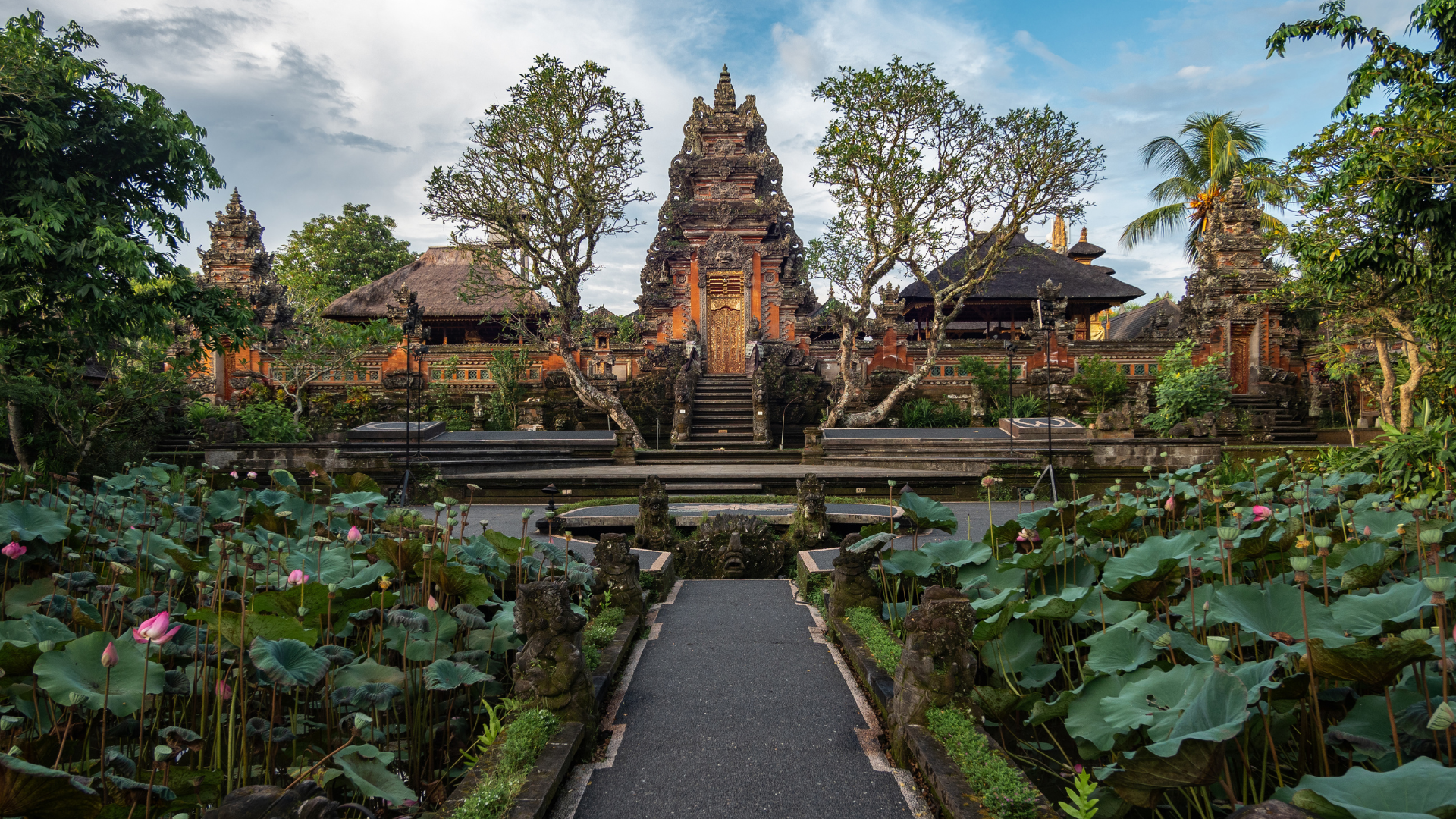
1. Ubud in Bali
If you’ve heard of Ubud, it’s probably because of Eat Pray Love, and that’s fine, even if the book is twenty years old at this point. The thing is, Ubud was doing this long before Elizabeth Gilbert showed up, and it’s still doing it now. If you travel the central highlands of Bali, you will find rice terraces, temple ceremonies, and a general slowness that most people can’t quite get into until they’ve been exposed to it for a few days.
Yoga and meditation are everywhere in Ubud, from proper multi-day retreat packages to drop-in morning classes for ten dollars at a shala, usually right next to a rice field. The Bali Spirit Festival happens every year at The Yoga Barn and draws practitioners from around the world, and it’s genuinely worth timing a trip around if wellness travel is something you do more than occasionally. Food is another draw to Ubud. The plant-based dining scene is excellent and cheap, and after a week of eating well, sleeping long hours, and moving slowly through a beautiful place, most people feel noticeably different. It sounds vague, but it’s hard to describe until you’ve experienced it yourself.
2. The Onsen Towns of Japan
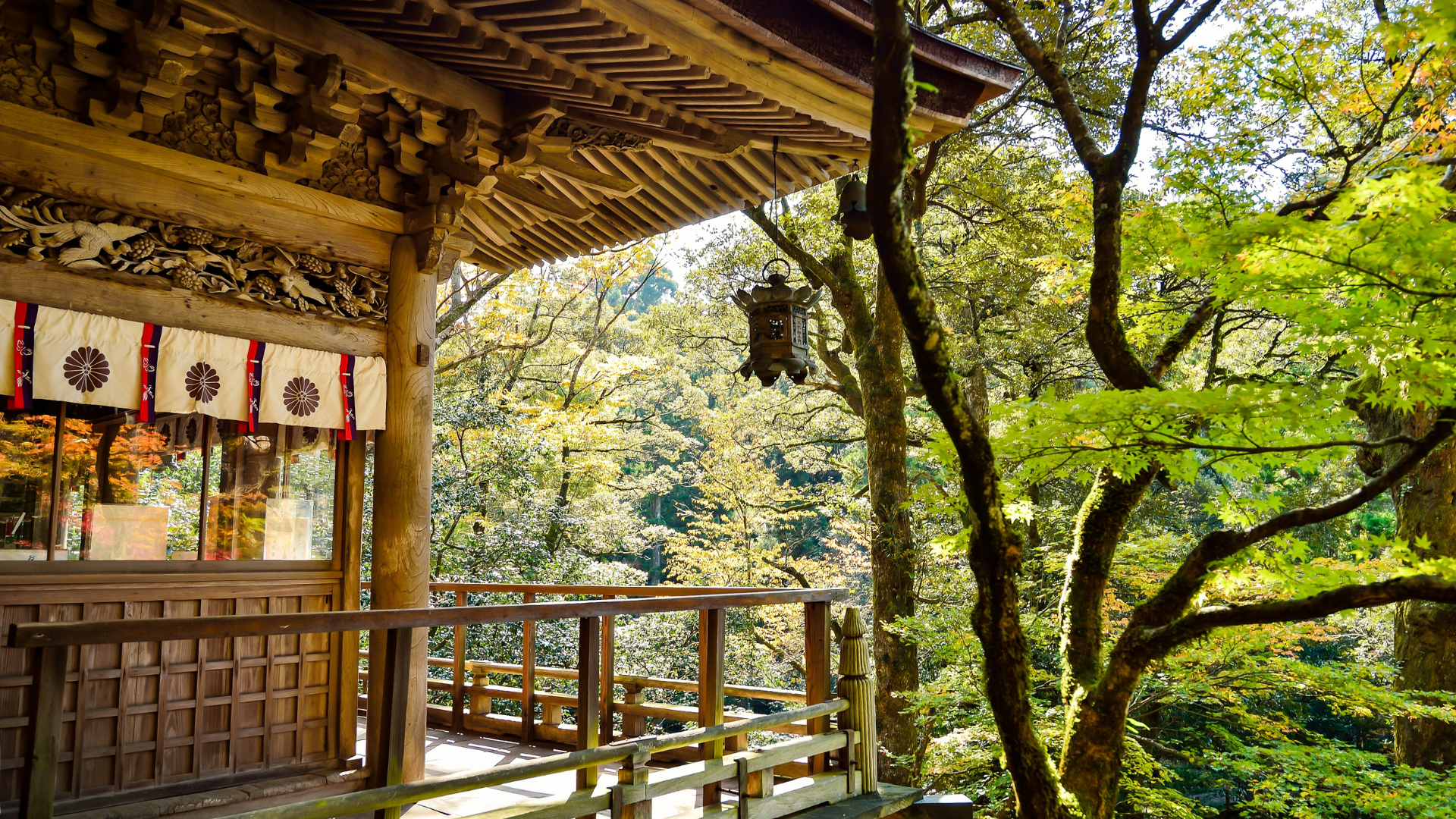
Japan has never really called it wellness tourism, but they’ve actually been doing it for many years. The country’s onsen culture, which is built around soaking in natural volcanic hot springs, is one of the oldest health traditions in the world and is still completely embedded in daily life. You can find onsen facilities in city neighborhoods, but the best ones are the ryokans and traditional inns tucked into mountain forests or perched above coastal cliffs, the kind of places where you arrive by a winding road and immediately understand why people keep coming back.
Hakone is probably the most accessible option from Tokyo and takes about an hour by train. If you travel on a clear day, you get Mount Fuji visible from the outdoor baths, which sounds cliched but is genuinely spectacular. Further afield, the historic hot spring town of Kinosaki Onsen in Hyogo Prefecture is the kind of place where guests wear yukata robes and walk between seven different public bathhouses in the evening, which is as restorative as it sounds. Japan also has a formal tradition of forest bathing called shinrin-yoku, which has been studied as part of preventive healthcare since the 1980s and basically just means spending slow, deliberate time in the woods. Kyoto’s Arashiyama district and the cedar forests around Nara are good places to try it without having to go far off the tourist map.
3. The Nicoya Peninsula in Costa Rica
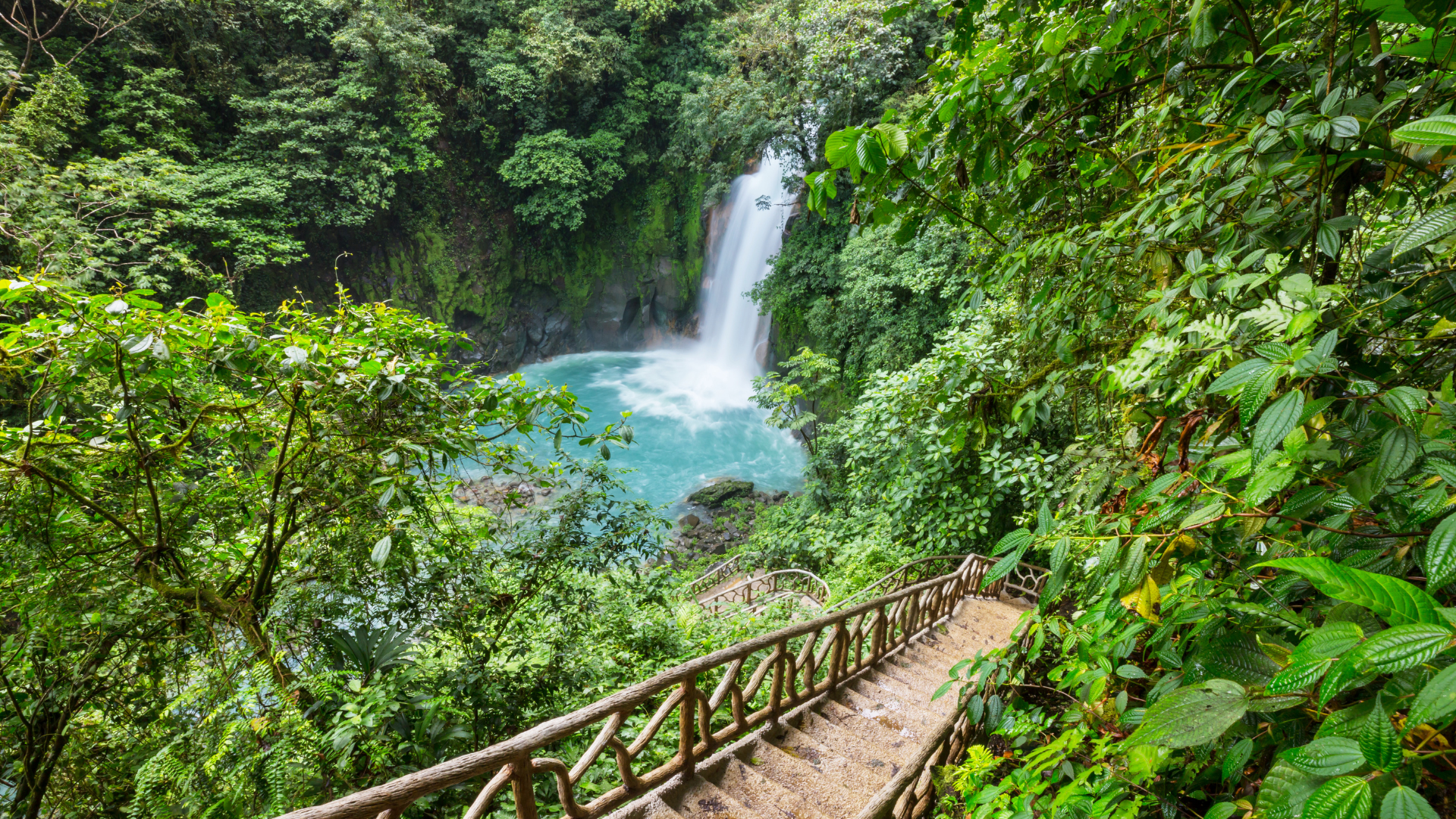
Costa Rica launched its wellness route in 2025 to help people discover thoughtful places to stay and see while exploring the country’s culture. The Nicoya Peninsula specifically draws people interested in longevity, yoga, surfing, and the kind of organic, locally grown food that appears on every table without anyone making a big deal of it.
Santa Teresa and Nosara are the two towns most people end up in, both of them small, both of them oriented around the beach and the water in a way that makes it easy to build a genuinely healthy daily routine without much effort. Morning yoga, a surf lesson, a long lunch, an afternoon nap, and a sunset walk cover most of a day and leave you feeling surprisingly good by the end of the week. Costa Rica’s “Pura Vida” philosophy gets used as a marketing slogan a lot, but it does reflect something real about the pace of life in places like this, and that pace is a big part of what makes the trip restorative rather than just pretty.
4. Sedona in Arizona
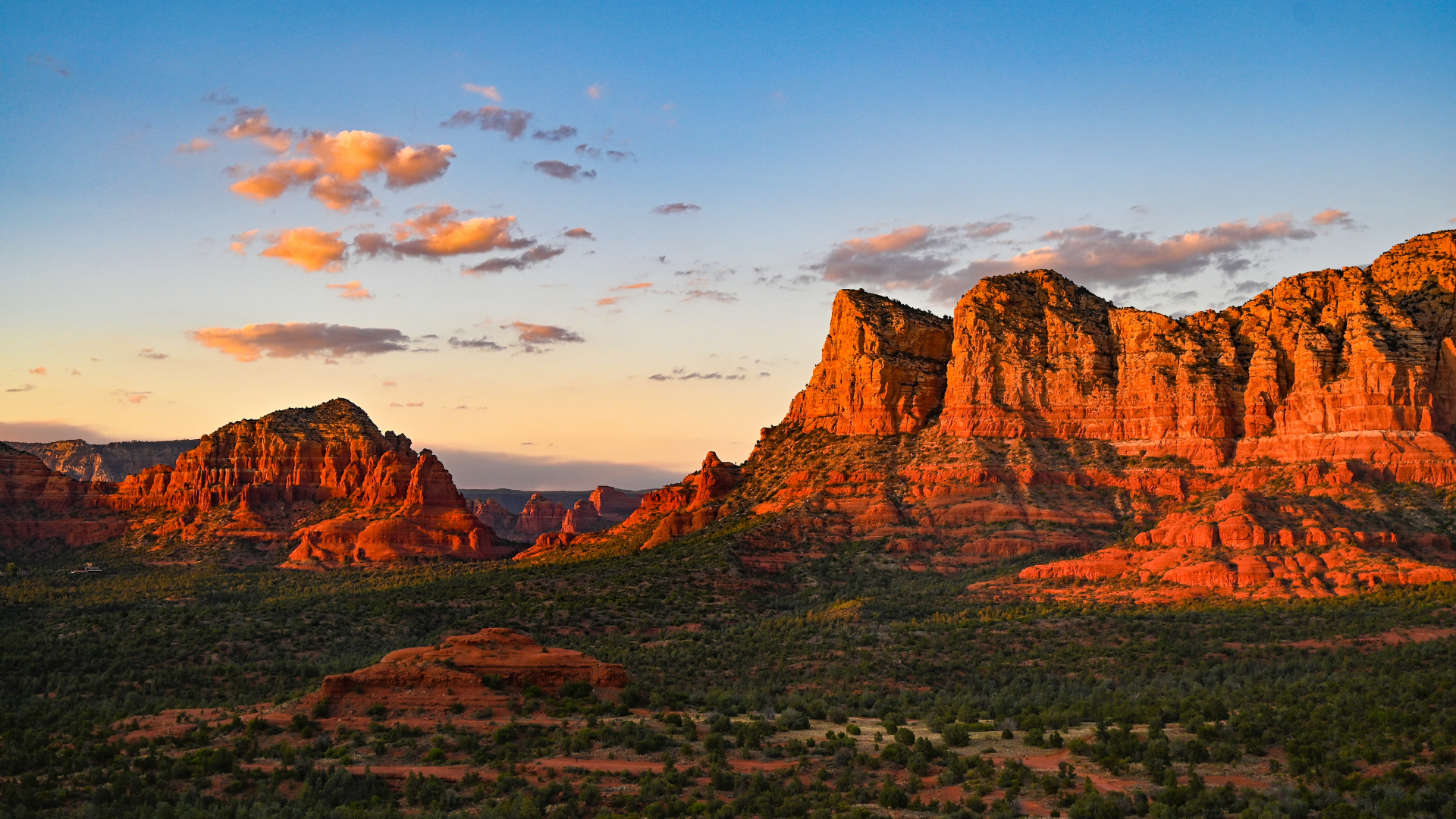
Sedona is a bit of a strange place, and that’s meant as a compliment. The red rock landscape is unlike anything else in North America, and the town has built a wellness industry around it that ranges from legitimately world-class spa resorts to energy vortex tours that are, let’s say, more optional. Mii Amo in Boynton Canyon has been ranked among the top destination spas in the entire United States for several years running, and the canyon setting alone is worth the visit. Enchantment Resort next door offers yoga, hiking, and meditation programming within one of the most dramatic natural environments you’ll find anywhere.
One practical note for Canadians making the trip: US roaming charges from Canadian carriers are genuinely painful on a longer stay, and Sedona is the kind of place where you want your phone to work for maps and restaurant bookings without stressing about a $200 bill when you get home. Downloading an eSIM before you leave sets you up with a US data plan instantly upon arrival without having to find a phone store or swap your physical SIM. For a trip where the whole point is to stop worrying about logistics, it’s worth sorting that out in advance.
5. The Alentejo in Portugal
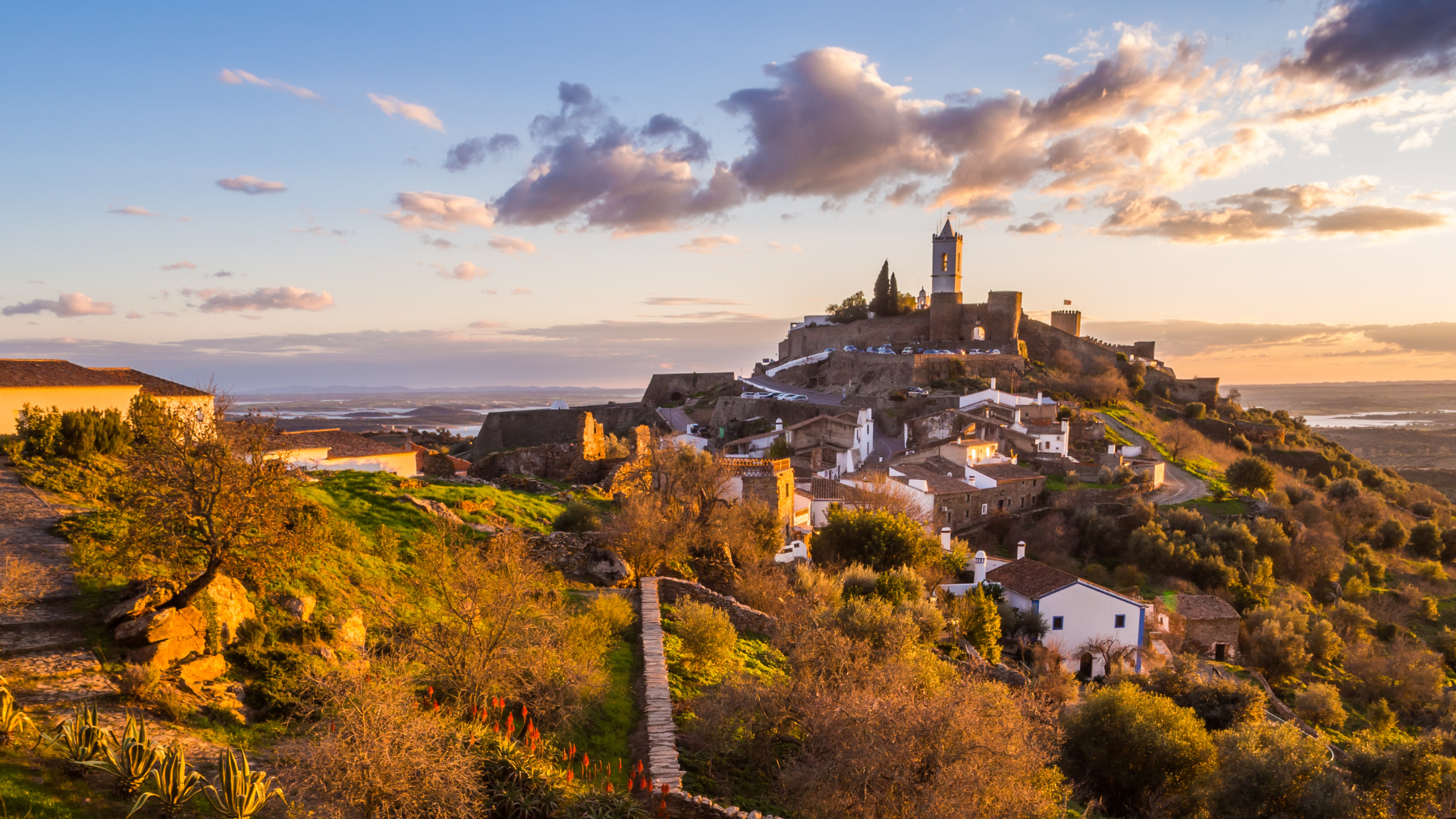
The Alentejo doesn’t come up as often as it should in wellness travel conversations, probably because it lacks the brand recognition of somewhere like Tuscany or Bali. What it has instead is cork forests, medieval hilltop villages, thermal spa towns, and a pace of life so unhurried that it can feel genuinely strange to visitors arriving from busier places. There are no major tourist circuits here, so you won’t be hassled by crowds, and you’ll find there’s no real pressure to do anything in particular. Regions like this are harder to find than you’d think.
The thermal waters around Monfortinho and the spa hotels outside Évora and Monsaraz offer hydrotherapy, massage, and wellness programs, many of them combining local treatments with organic food grown on-site. It’s the kind of place where a four-day stay feels like two weeks somewhere else, which is either a paradox or exactly the point, depending on how you look at it. If Bali feels too far and Sedona too well-known, the Alentejo is genuinely worth considering for anyone who takes the idea of rest seriously.
How to Pick the Right Wellness Destination
The right wellness destination for you depends on what kind of tired you are. If it’s the kind that needs warmth and slowness and good, cheap food, Bali or Nicoya. If it’s the kind that needs dramatic landscape and physical space, Sedona. If it’s the kind that needs ancient ritual and forest quiet, Japan. And if you just want to disappear somewhere beautiful and largely undiscovered, the Alentejo will do that for you. All five of these destinations take rest seriously, which sounds like a low bar until you realize how many places don’t.