When’s the Sweet Spot? Cruising Svalbard for Wildlife & Ice
Ever dreamed of watching a polar bear hunt on floating ice, or hearing the thunderous crack of a glacier calving into the sea? Svalbard delivers these moments in spades. Anyone who visits this remote Arctic archipelago comes away changed—and timing is everything when planning your cruise.
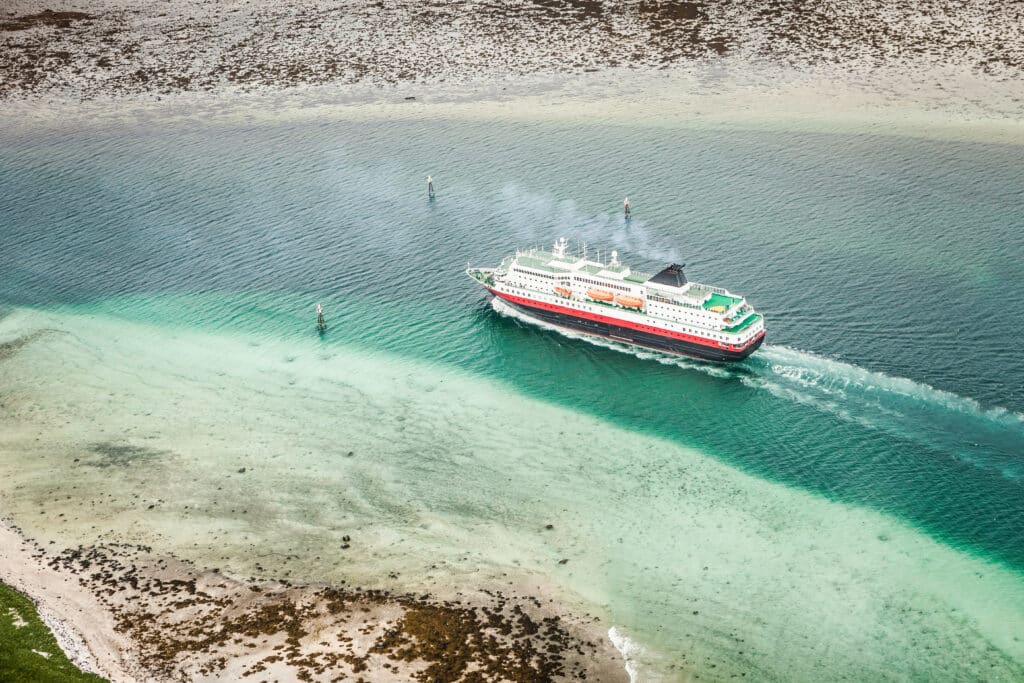
Cruise ship in glacial waters
The Weird and Wonderful Svalbard Calendar
Svalbard isn’t your typical cruise destination. It’s wild, unpredictable, and plays by its own rules. Forget what you know about “summer” and “winter” elsewhere. Up here, the sun doesn’t set for months, then doesn’t rise for others. Temperatures can swing wildly, and the ice… well, the ice has a mind of its own.
You wouldn’t believe how drastically different Svalbard looks month to month. One day you’re navigating through pack ice, the next it’s vanished—replaced by open water where whales surface between blue icebergs. Nature’s constantly shuffling the deck. If you’re planning on embarking on Svalbard cruises, be prepared for an ever-changing experience like no other.
So, When Should You Actually Go?
Here’s the real talk: if you’re after the wildlife-and-ice combo that makes Svalbard magical, you’ve got a pretty clear window between late May and early September. But even within that timeframe, you’ll face tradeoffs.
May to early June feels like catching the Arctic as it’s waking up. The islands are still mostly snow-covered, and the ice is just starting to break up. It’s absolutely gorgeous—pristine white landscapes with this incredible blue light. Walruses are hauling their massive bodies onto ice floes, and visitors might spot their first polar bears hunting along the ice edge. Bird cliffs? Absolute chaos as thousands of seabirds return to nest.
The downside? It’s colder (duh), and the ice can still block access to the eastern and northern parts of the archipelago. Worth it though, especially if you hate crowds.
July and August are peak season, and for good reason. The ice has retreated enough that ships can reach places like Nordaustlandet or circumnavigate the entire archipelago. Wildlife is everywhere—cubs and calves are growing up, and feeding frenzies attract predators. Many travellers describe watching pods of belugas swimming so close to Zodiacs that they can hear them breathing. Pure magic.
But here’s the catch—everyone wants to go during these months. Prices shoot up, and Longyearbyen (Svalbard’s main settlement) feels downright crowded. The smaller expedition ships book out a year in advance, so spontaneous travellers are out of luck.
September is secretly fantastic. The crowds thin out, a hint of autumn touches the tundra with reds and golds, and the first hints of darkness return after months of midnight sun. This darkness? It means northern lights might make an appearance! Polar bears are still active, though they’re starting to move toward denning areas. There’s a melancholy beauty to September in Svalbard—a last hurrah before winter locks everything down.
The gamble is the weather. September storms can kick up, making landings trickier. But they also create dramatic skies that photographers drool over.
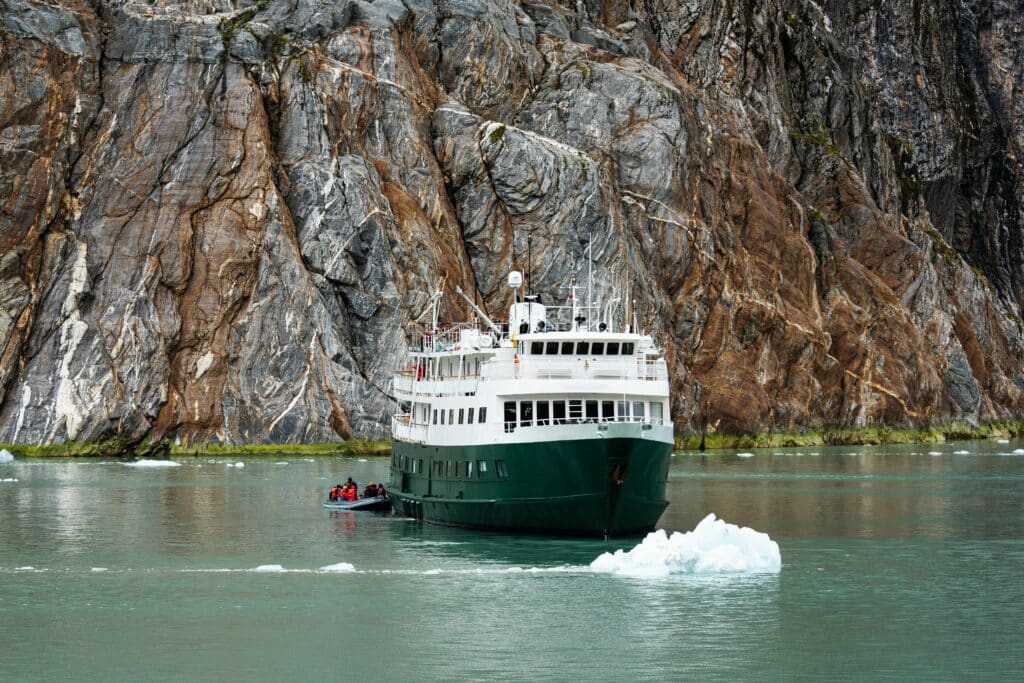
A luxury yacht next to glacier in Alaska
The Wildlife Show: What to Watch For When
Let’s cut to the chase—most people come to Svalbard hoping to see polar bears. Who wouldn’t? They’re magnificent creatures, and watching one in its natural habitat beats any zoo experience hands down.
Your best shot at spotting these iconic predators comes when there’s still some sea ice around. They’re hunting seals, their primary food source, which means they follow the ice. May through early July offers solid odds, but sightings happen throughout the summer. Just don’t expect bears to pose on demand—this isn’t a wildlife park. Sometimes you’ll spend hours scanning ice with binoculars before someone shouts “Bear!” and everyone scrambles for cameras.
Walruses are another highlight, with their bizarre tusks and comically grumpy expressions. These massive beasts haul out in specific locations—places expedition guides know well. Getting hundreds of these blubbery giants in one frame is a photographer’s dream.
But don’t fixate just on the marquee species! Arctic foxes scampering across tundra, reindeer with their massive antlers, and birds in mind-boggling numbers all deserve attention. And the marine life? Seals pop their curious heads up alongside your ship, while whales—minke, humpback, beluga, and if you’re incredibly lucky, bowhead—turn a simple fjord cruise into a breathtaking wildlife encounter.
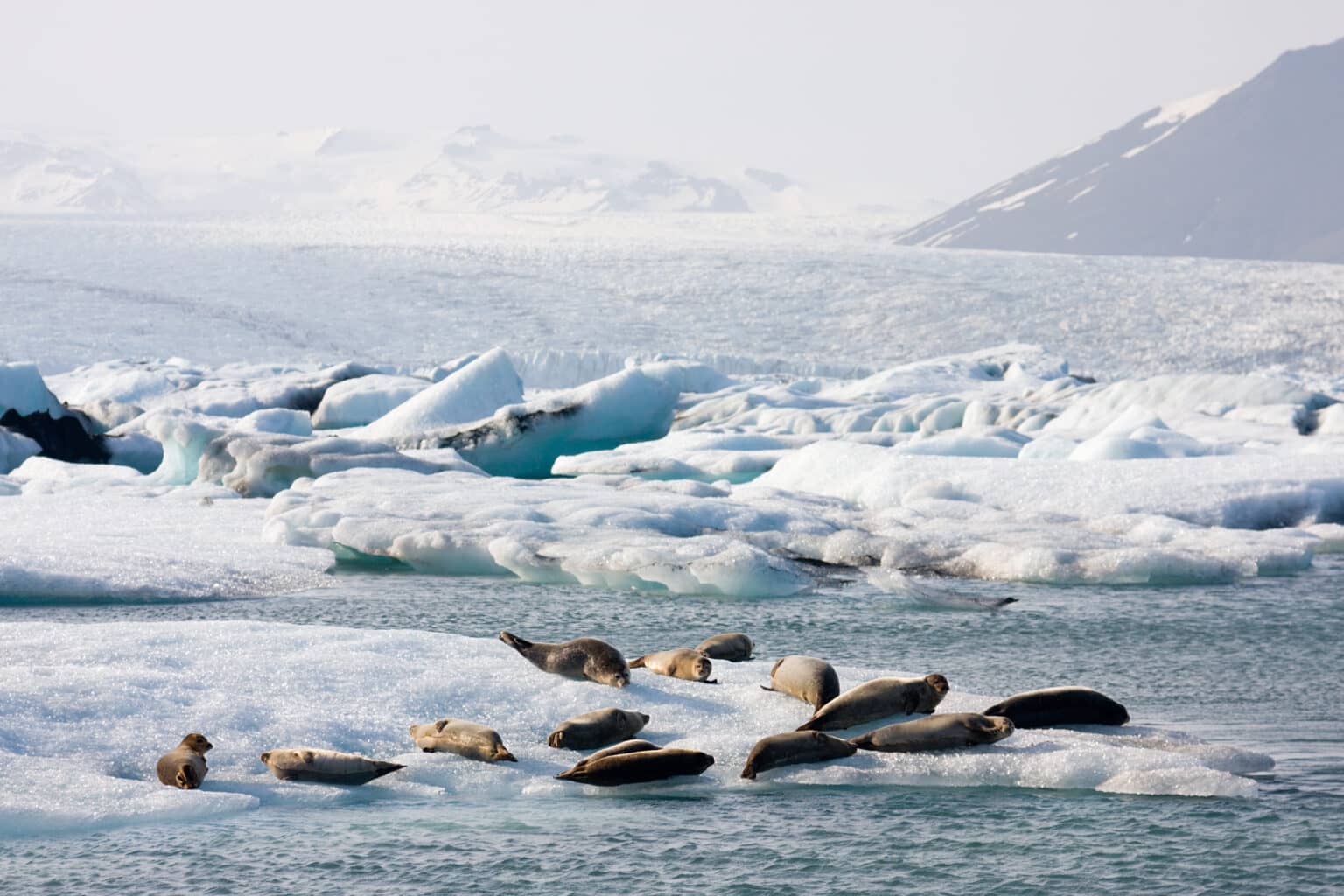
Some seals on top of an iceberg in the Joekulsarlon glacier lagoon, Iceland.
The Ice Factor: More Than Just Scenery
Svalbard’s ice isn’t just pretty—it’s the ecosystem’s foundation. Without sea ice, the whole food chain struggles. That’s why climate change hits especially hard here, with visible changes year after year.
For the full glacial experience, nothing beats watching (and hearing!) a towering ice wall calve massive chunks into the sea. The crack sounds like thunder, followed by a wave that rocks your boat. Even seasoned guides drop everything and grab cameras when this happens—it never gets old.
Summer cruises showcase massive glacier fronts, while earlier season trips might navigate through pack ice where seals lounge and bears hunt. Each experience offers something unique.
Picking the Right Ship (Crucial!)
Don’t just book any old Svalbard cruise. The difference between a good expedition ship and a mediocre one is night and day.
Smaller vessels (under 200 passengers) can access coves and inlets that the big ships can’t. They also offer more landing opportunities, since rules limit how many people can be ashore simultaneously. The trade-off? Smaller ships mean less stability in rough seas. If you’re prone to seasickness, pack meds or patches.
The really small expedition ships (12-50 passengers) offer the most intimate experience. These converted research vessels lack luxury but make up for it with character and access. You’ll get to know everyone on board, including the expedition team, who often have fascinating backgrounds in science or photography.
Whatever you choose, book early. The best ships fill up 12-18 months in advance, especially for prime July dates.
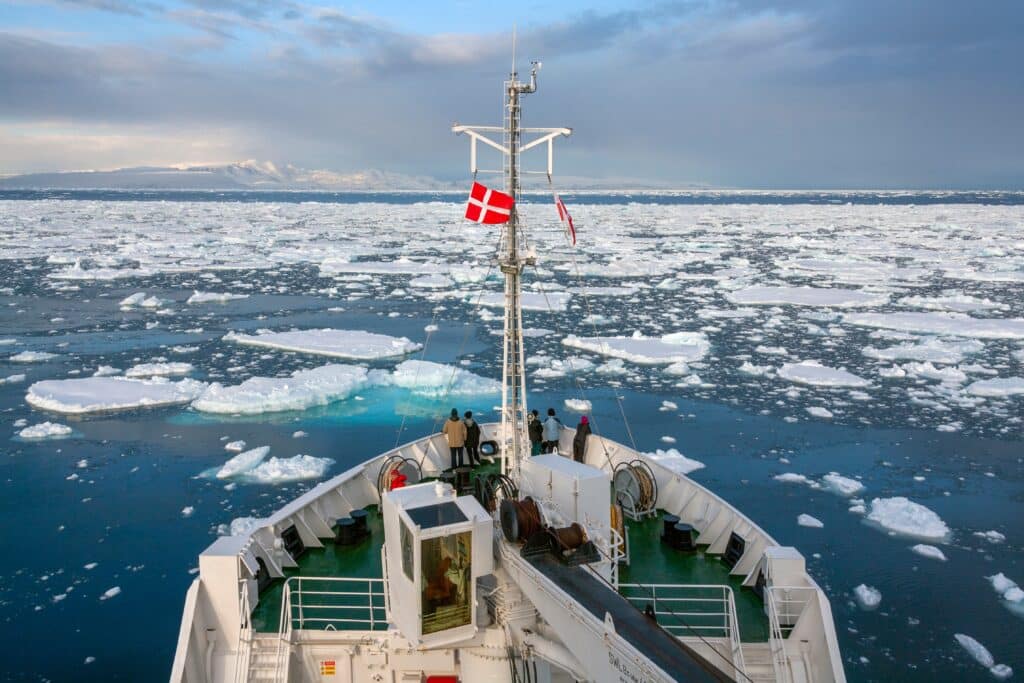
Adventure tourists on the bow of an icebreaker looking at the sea ice in the North Atlantic Ocean off the northeast coast of Greenland.
Packing Smart for the Arctic
Don’t believe the thermometer—Svalbard feels colder than the reading suggests. Wind chill is brutal, and you’ll spend hours on deck watching wildlife or landscapes. Layer up like there’s no tomorrow.
Waterproof everything is non-negotiable. You’ll be climbing in and out of Zodiac boats, sometimes getting splashed. Your camera needs weather protection too—condensation kills electronics when you move between the warm ship and freezing outdoors.
Bring binoculars! Even basic ones dramatically improve wildlife spotting. And whatever you do, don’t forget spare batteries—cold drains them faster than you’d think.
Final Thoughts: Worth Every Penny
Let’s not sugarcoat it—Svalbard isn’t cheap. But long after you’ve forgotten the cost, you’ll remember that perfect moment when the midnight sun painted a glacier golden, or when a curious fox approached your group, or when a whale surfaced so close you could smell its breath.
No matter when you visit, Svalbard rewards the patient and the observant. It’s a place that reminds us how small we are in the grand scheme—and how magnificent our planet remains in its wildest corners. Time your trip right, and you’ll come back with more than photos. You’ll carry a piece of the Arctic within you, forever calling you back to its icy embrace.